Your cart is currently empty!
Blog
-
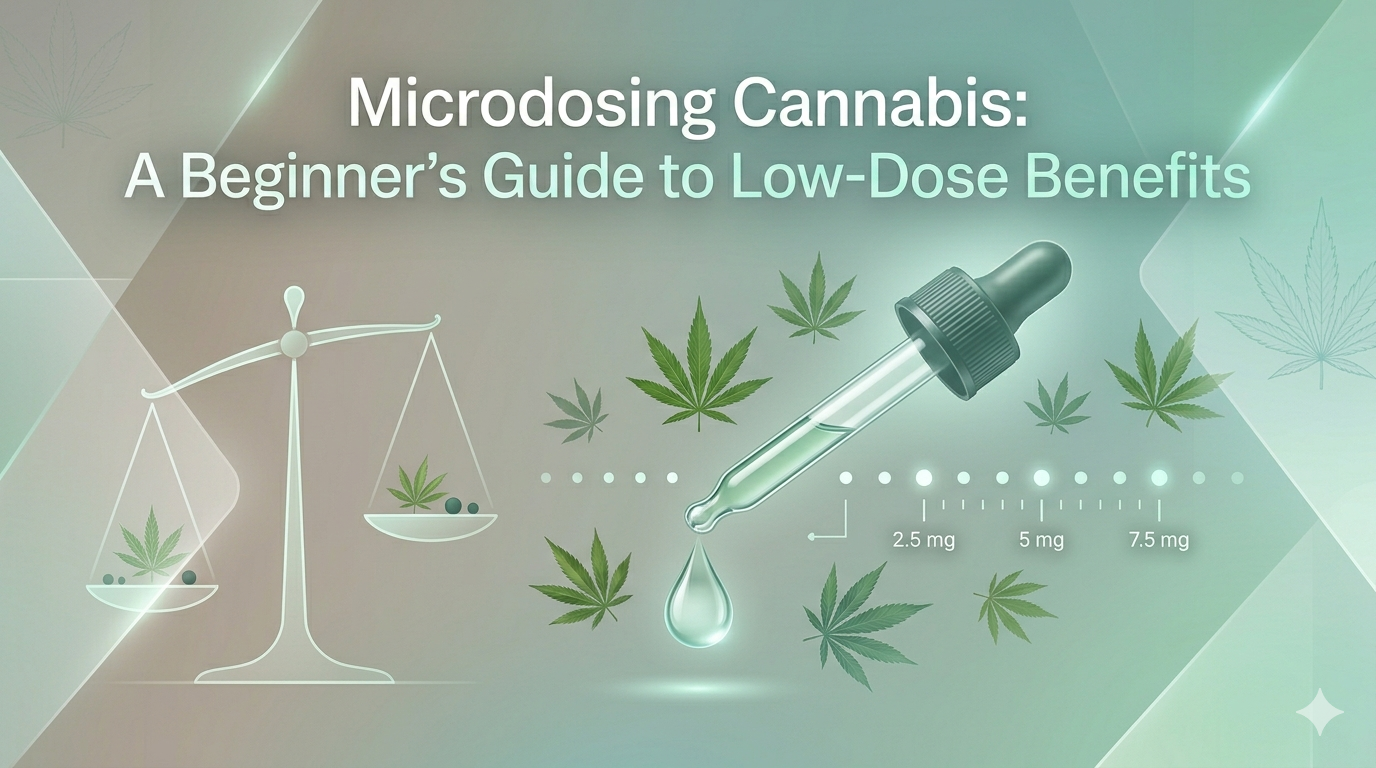
Microdosing Cannabis: A Beginner’s Guide to Low-Dose Benefits
Not everyone wants an intense cannabis experience. For many people, the goal is subtle effects—like relaxation, focus, or mood balance—without feeling overwhelmed. That’s where microdosing cannabis comes in.
Microdosing is the practice of consuming very small amounts of cannabis, typically just enough to feel mild effects without a strong high. It has become increasingly popular among beginners and experienced users alike who want more control over their experience.
At retailers like Chronic Cannabis Co., many products are designed with low-dose options, making microdosing more accessible than ever.
What Is Microdosing Cannabis?
Microdosing involves taking a minimal dose of THC (or THC + CBD) to achieve subtle effects rather than a full psychoactive experience.
Typical Microdose Range:
- THC: 1–2.5 mg
- CBD: Varies depending on preference
The goal is not to feel “high,” but to experience light benefits such as calmness or improved focus.
Why People Choose Microdosing
Microdosing offers a different approach to cannabis—one focused on balance rather than intensity.
Common Benefits:
- Mild relaxation without sedation
- Improved focus or clarity
- Reduced stress or tension
- Better control over effects
- Lower risk of overconsumption
Because the dose is so low, users can often continue daily activities without impairment.
Who Is Microdosing For?
Microdosing can be useful for a wide range of consumers:
Beginners
New users who want to ease into cannabis without strong effects.
Professionals
People who want subtle effects while staying productive.
Experienced Users
Those looking for more control or a lighter experience.
Best Cannabis Products for Microdosing
Not all cannabis products are ideal for microdosing. The best options are those that allow precise and consistent dosing.
Edibles
- Pre-measured doses (e.g., 2.5 mg THC per piece)
- Easy to control intake
Oils and Tinctures
- Droppers allow exact measurement
- Flexible dosing
Low-THC Flower
- Can be used in small amounts
- Offers faster onset
Each method has its own benefits depending on your lifestyle and preferences.
How to Microdose Safely
1. Start Low
Begin with 1–2.5 mg THC or even less if you are very sensitive.
2. Go Slow
Wait and observe how your body reacts before increasing your dose.
- Edibles: wait at least 2 hours
- Inhalation: wait 10–15 minutes
3. Track Your Experience
Keep note of:
- How you feel
- How long effects last
- What dose you took
This helps you find your ideal balance over time.
4. Stay Consistent
Use the same product and dosage for a few sessions before making adjustments.
Microdosing THC vs CBD
THC Microdosing
- Produces mild psychoactive effects
- May enhance mood and creativity
CBD Microdosing
- Non-intoxicating
- Focuses on relaxation and balance
Combined THC + CBD
- Offers a more balanced experience
- CBD may reduce THC intensity
Many beginners prefer starting with CBD or balanced products.
Common Mistakes to Avoid
Taking Too Much Too Soon
Even small increases can change the experience significantly.
Expecting Immediate Results
Microdosing is subtle—it’s about gentle effects, not intensity.
Not Measuring Properly
Accurate dosing is key. Avoid guessing, especially with edibles.
How to Find Your Ideal Microdose
Finding the right dose is personal. What works for one person may not work for another.
Simple Approach:
- Start with 1 mg THC
- Increase by 1 mg gradually
- Stop when you feel the desired effect
The ideal microdose is the smallest amount that gives you the benefit you’re looking for.
Why Microdosing Is Growing in Popularity
As cannabis education improves, more consumers are moving toward intentional and controlled use. Microdosing aligns with this trend by offering:
- Greater control
- More functional use
- Reduced risk
It reflects a shift from recreational intensity to mindful consumption.
Conclusion
Microdosing cannabis is a smart and accessible way to explore its benefits without overwhelming effects. By using small, controlled doses, you can enjoy subtle improvements in mood, focus, and relaxation while staying in control.
Whether you’re new to cannabis or simply looking for a more balanced approach, microdosing offers a safe and flexible way to personalize your experience.
-
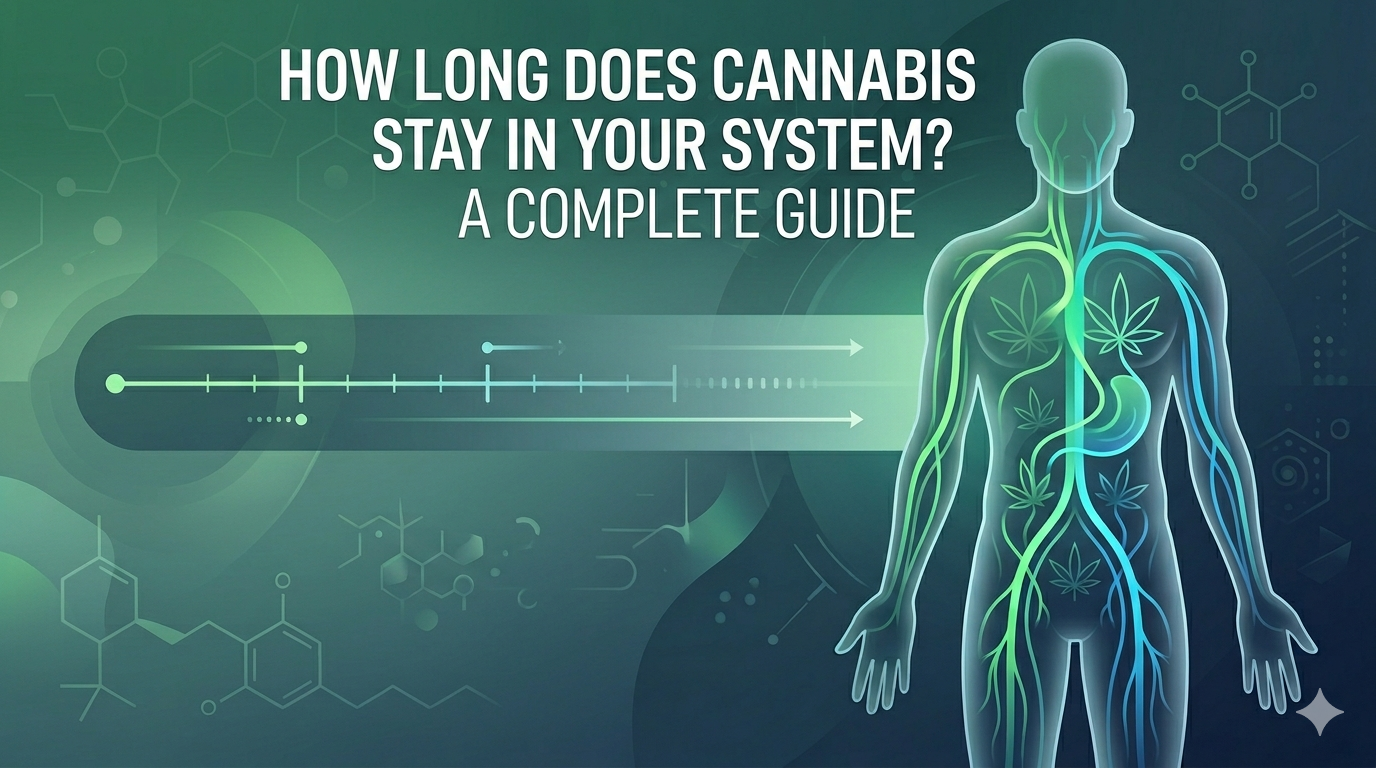
How Long Does Cannabis Stay in Your System? A Complete Guide
One of the most common questions among cannabis consumers is: how long does cannabis stay in your system? The answer isn’t always straightforward. It depends on several factors, including how often you use cannabis, your metabolism, and the type of product you consume.
Understanding how THC (the main psychoactive compound in cannabis) is processed in the body can help you make informed decisions—especially if you’re concerned about drug testing or timing your usage responsibly.
At regulated retailers like Chronic Cannabis Co., education plays a key role in helping consumers understand not just products, but how cannabis interacts with the body.
How THC Is Processed in the Body
When you consume cannabis, THC enters your bloodstream and is eventually metabolized by the liver. It is then stored in fat cells and slowly released over time.
This is why cannabis can remain detectable in your body long after the effects have worn off.
Unlike alcohol, which leaves the body relatively quickly, THC can linger for days—or even weeks—depending on usage patterns.
How Long Does THC Stay Detectable?
Detection time varies depending on the type of drug test used.
Urine Test (Most Common)
- Occasional users: 1–3 days
- Moderate users: 5–7 days
- Frequent users: 10–15 days
- Heavy users: 30+ days
Blood Test
- Typically detectable for 1–2 days
- May last longer for heavy users
Saliva Test
- Detectable for up to 24–48 hours
- Often used for roadside testing
Hair Test
- Detectable for up to 90 days
- Less common but has a longer detection window
Factors That Affect How Long Cannabis Stays in Your System
There is no one-size-fits-all answer because several factors influence how long THC remains in your body.
1. Frequency of Use
- Occasional users clear THC faster
- Regular users may retain THC for longer periods
2. Body Fat Percentage
THC is stored in fat cells, so individuals with higher body fat may retain it longer.
3. Metabolism
A faster metabolism can help process and eliminate THC more quickly.
4. Dosage and Potency
Higher THC doses take longer to leave the system.
5. Consumption Method
Different methods affect how THC enters and stays in your body.
Does Consumption Method Affect Duration?
Yes, the way you consume cannabis impacts both how long effects last and how long THC stays in your system.
Smoking or Vaping
- Faster onset
- Shorter duration of effects
- THC may clear slightly faster
Edibles
- Slower onset
- Longer-lasting effects
- THC may remain in the system longer due to digestion and metabolism
Common Myths About Clearing THC
There are many myths about how to remove THC from your system quickly—but most are not supported by evidence.
Myth 1: Drinking Water Flushes THC
Hydration is important, but it won’t significantly speed up THC elimination.
Myth 2: Exercise Removes THC Instantly
While exercise affects metabolism, it does not immediately clear THC from fat cells.
Myth 3: Detox Products Work Quickly
Many detox products have limited scientific support and may not be reliable.
How to Support Your Body Naturally
While you can’t instantly remove THC, you can support your body’s natural processes:
- Stay hydrated
- Maintain a balanced diet
- Exercise regularly
- Get adequate rest
These habits support overall health but do not guarantee faster THC removal.
Why This Knowledge Matters
Understanding how long cannabis stays in your system is important for:
- Preparing for drug tests
- Planning responsible consumption
- Avoiding unwanted consequences
- Making informed lifestyle choices
As cannabis use becomes more common, education around these topics helps promote responsible use.
Conclusion
The amount of time cannabis stays in your system varies widely depending on individual factors, usage habits, and testing methods. While effects may wear off within hours, THC can remain detectable for days or even weeks.
There is no instant way to eliminate THC, but understanding how it works in your body can help you make better, more informed decisions.
-
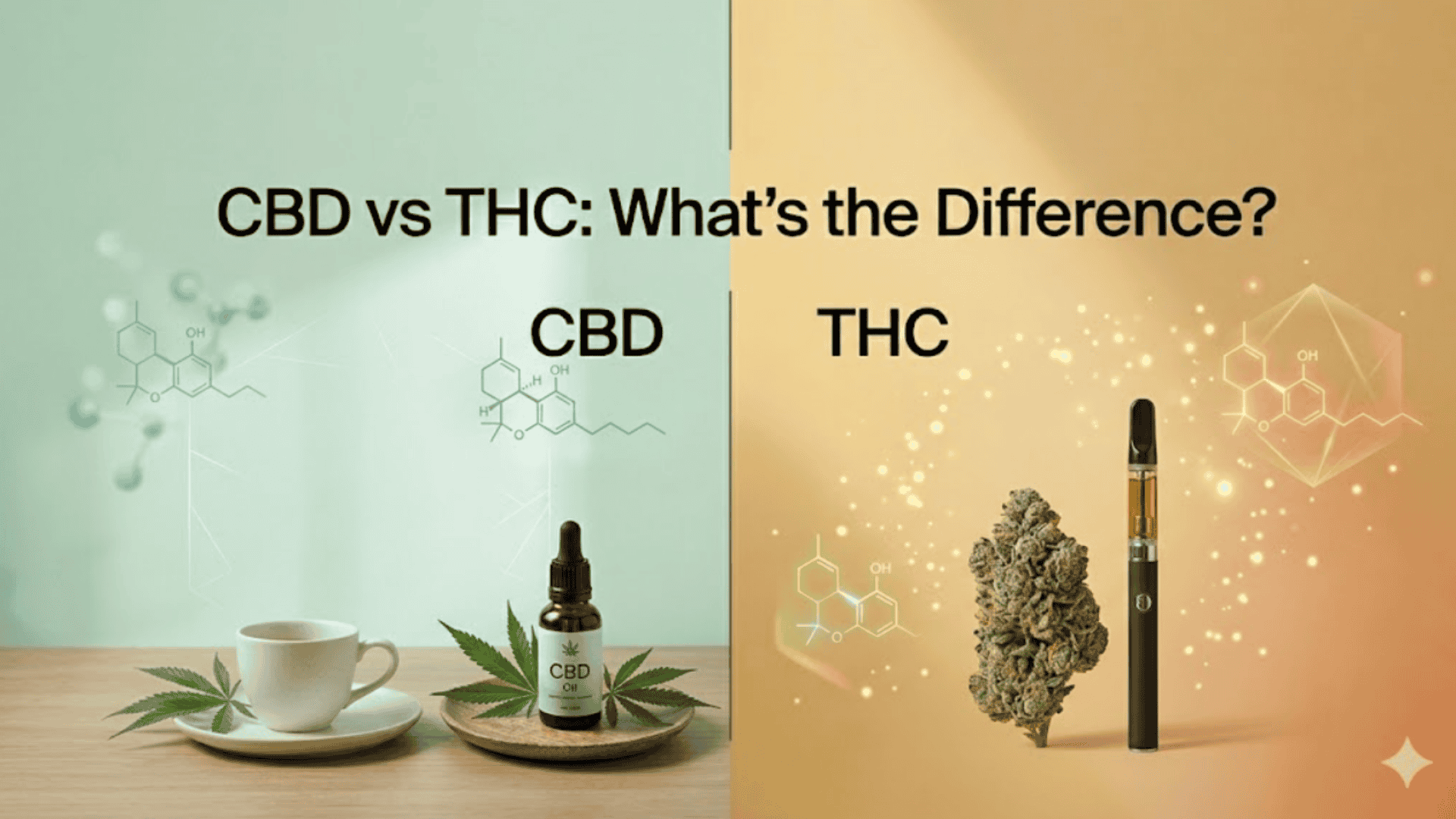
CBD vs THC: What’s the Difference and Which One Is Right for You?
If you’re exploring cannabis products, you’ve likely seen the terms CBD and THC. These are the two most well-known cannabinoids found in cannabis, and understanding their differences is essential for making informed choices.
While both compounds come from the same plant, they affect the body in very different ways. Knowing how CBD and THC work can help you choose products that match your preferences, whether you’re looking for relaxation, balance, or a more noticeable experience.
At retailers like Chronic Cannabis Co., products are clearly labeled with CBD and THC content, making it easier for consumers to find what works best for them.
What Is THC?
THC (tetrahydrocannabinol) is the primary psychoactive compound in cannabis. It’s responsible for the “high” that many people associate with cannabis use.
Common Effects of THC:
- Euphoria
- Relaxation
- Altered perception
- Increased appetite
The intensity of these effects depends on the dose, the product, and your individual tolerance.
What Is CBD?
CBD (cannabidiol) is a non-intoxicating compound, meaning it does not produce a high. Instead, it is often associated with more subtle, calming effects.
Common Effects of CBD:
- Relaxation
- Stress reduction
- A sense of balance
- Potential support for overall wellness
CBD is often chosen by people who want the benefits of cannabis without the psychoactive effects of THC.
Key Differences Between CBD and THC
1. Psychoactive Effects
- THC: Produces a high
- CBD: Non-intoxicating
2. How They Feel
- THC: Stronger, more noticeable effects
- CBD: Milder, more subtle experience
3. Use Cases
- THC: Often used for recreational experiences
- CBD: Often used for relaxation and balance
4. Interaction in the Body
Both CBD and THC interact with the body’s endocannabinoid system, but in different ways. CBD may even help moderate some of THC’s stronger effects when used together.
CBD and THC Together: The Balanced Approach
Many cannabis products contain both CBD and THC in varying ratios. These balanced products can provide a more controlled and moderate experience.
Benefits of Balanced Products:
- Reduced intensity of THC
- Smoother overall experience
- More predictable effects
For beginners, products with a balanced CBD:THC ratio are often a good starting point.
How to Read CBD and THC Labels
Understanding product labels is key to choosing the right option.
For Flower:
- Displayed as percentages (e.g., 18% THC, 1% CBD)
For Edibles and Oils:
- Displayed in milligrams (e.g., 5 mg THC, 10 mg CBD)
Tips:
- Start with lower THC levels
- Look for balanced ratios if unsure
- Always check serving size
Which One Is Right for You?
Choosing between CBD and THC depends on your goals and comfort level.
Choose THC If You Want:
- A noticeable “high”
- Stronger effects
- A more recreational experience
Choose CBD If You Want:
- No intoxication
- A calm, balanced feeling
- A gentler introduction to cannabis
Choose Both If You Want:
- A balanced, moderate experience
- Reduced THC intensity
- More control over effects
Tips for Beginners
If you’re new to cannabis:
- Start with low THC (or CBD-dominant products)
- Try small doses and increase gradually
- Pay attention to how your body responds
- Choose regulated products with clear labeling
Taking a cautious approach helps ensure a positive first experience.
Why Understanding CBD vs THC Matters
Education is key to responsible cannabis use. By understanding how CBD and THC differ, you can:
- Avoid unwanted effects
- Choose products confidently
- Customize your experience
- Use cannabis more safely
As cannabis products become more diverse, knowing these basics is more important than ever.
Conclusion
CBD and THC are the two most important compounds in cannabis, each offering unique effects and benefits. While THC delivers a more noticeable, psychoactive experience, CBD provides a calmer, non-intoxicating alternative.
By understanding how these cannabinoids work—individually and together—you can make informed decisions that match your needs and preferences. Whether you’re seeking relaxation, balance, or a stronger experience, the right choice starts with knowledge.
-
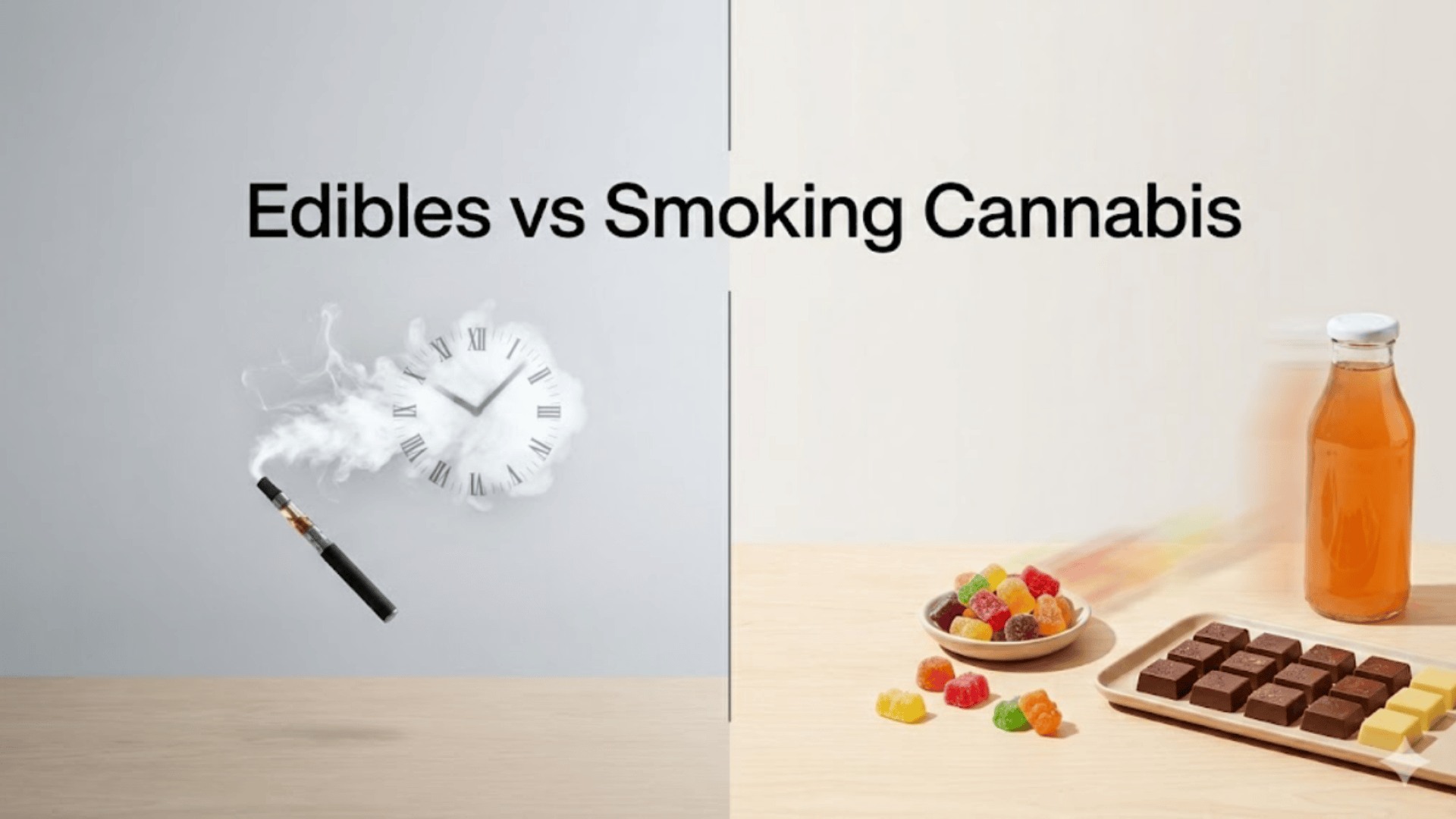
Edibles vs Smoking Cannabis: Which Option Is Right for You?
When exploring cannabis, one of the first decisions you’ll face is how to consume it. Two of the most popular options are edibles and smoking (or vaping). Each method offers a very different experience in terms of how quickly effects begin, how long they last, and how intense they feel.
Understanding the differences between these methods can help you make safer, more informed decisions. At retailers like Chronic Cannabis Co., you’ll find a wide range of options in both categories, making it important to know which one suits your needs.
How Smoking Cannabis Works
Smoking or vaping cannabis involves inhaling cannabinoids into the lungs, where they quickly enter the bloodstream.
Key Characteristics:
- Onset: 1–5 minutes
- Peak effects: Within 10–30 minutes
- Duration: 2–4 hours
Because the effects are felt almost immediately, smoking allows for easier control. You can take one puff, wait, and decide if you want more.
Pros:
- Fast-acting effects
- Easier to control dosage
- Shorter duration
Cons:
- Effects wear off relatively quickly
- Not suitable for those avoiding inhalation
- May have a stronger smell
How Edibles Work
Edibles are cannabis-infused food or beverages. Instead of entering through the lungs, cannabinoids are processed through the digestive system and liver.
Key Characteristics:
- Onset: 30–90 minutes
- Peak effects: 2–4 hours
- Duration: 4–8 hours (or longer)
Because of this delayed onset, edibles often feel stronger and last much longer than smoking.
Pros:
- Long-lasting effects
- No inhalation required
- Discreet and convenient
Cons:
- Delayed onset can lead to overconsumption
- Harder to predict effects
- Longer recovery time if too much is consumed
Why Edibles Feel Stronger
When THC is consumed through edibles, it is converted in the liver into a compound called 11-hydroxy-THC. This form of THC can produce stronger and longer-lasting effects compared to inhaled THC.
This is why even a small dose of edibles can feel more intense than expected—especially for beginners.
Which Option Is Better for Beginners?
For beginners, both methods can work—but each requires a different approach.
Smoking/Vaping:
- Easier to start with
- Effects are immediate
- Lower risk of accidental overconsumption
Edibles:
- Start with 2.5–5 mg THC or less
- Wait at least 2 hours before taking more
- Ideal for those who prefer not to smoke
In general, many beginners find smoking easier to control, while edibles require more patience and awareness.
Choosing Based on Your Goals
The best method depends on what you want from your cannabis experience.
Choose Smoking or Vaping If You Want:
- Fast relief
- Shorter sessions
- More control over dosage
Choose Edibles If You Want:
- Long-lasting effects
- A smoke-free option
- A more gradual experience
Common Mistakes to Avoid
Taking More Edibles Too Soon
This is the most common mistake. Because edibles take time to kick in, some users take more too early, leading to stronger-than-expected effects.
Ignoring Dosage Labels
Always check how much THC is in each serving and the total package.
Assuming All Methods Feel the Same
Different consumption methods produce different effects—even at the same dose.
Safety Tips for Both Methods
- Start with a low dose
- Use cannabis in a comfortable environment
- Stay hydrated
- Avoid mixing with alcohol
- Never drive under the influence
Responsible use helps ensure a positive experience.
Conclusion
Edibles and smoking cannabis offer very different experiences, and neither is universally better than the other. Smoking provides fast, controllable effects, while edibles offer longer-lasting and often stronger experiences.
By understanding how each method works, you can choose the option that best fits your needs, lifestyle, and comfort level. Whether you’re new to cannabis or exploring new formats, making informed choices leads to a safer and more enjoyable experience.
-
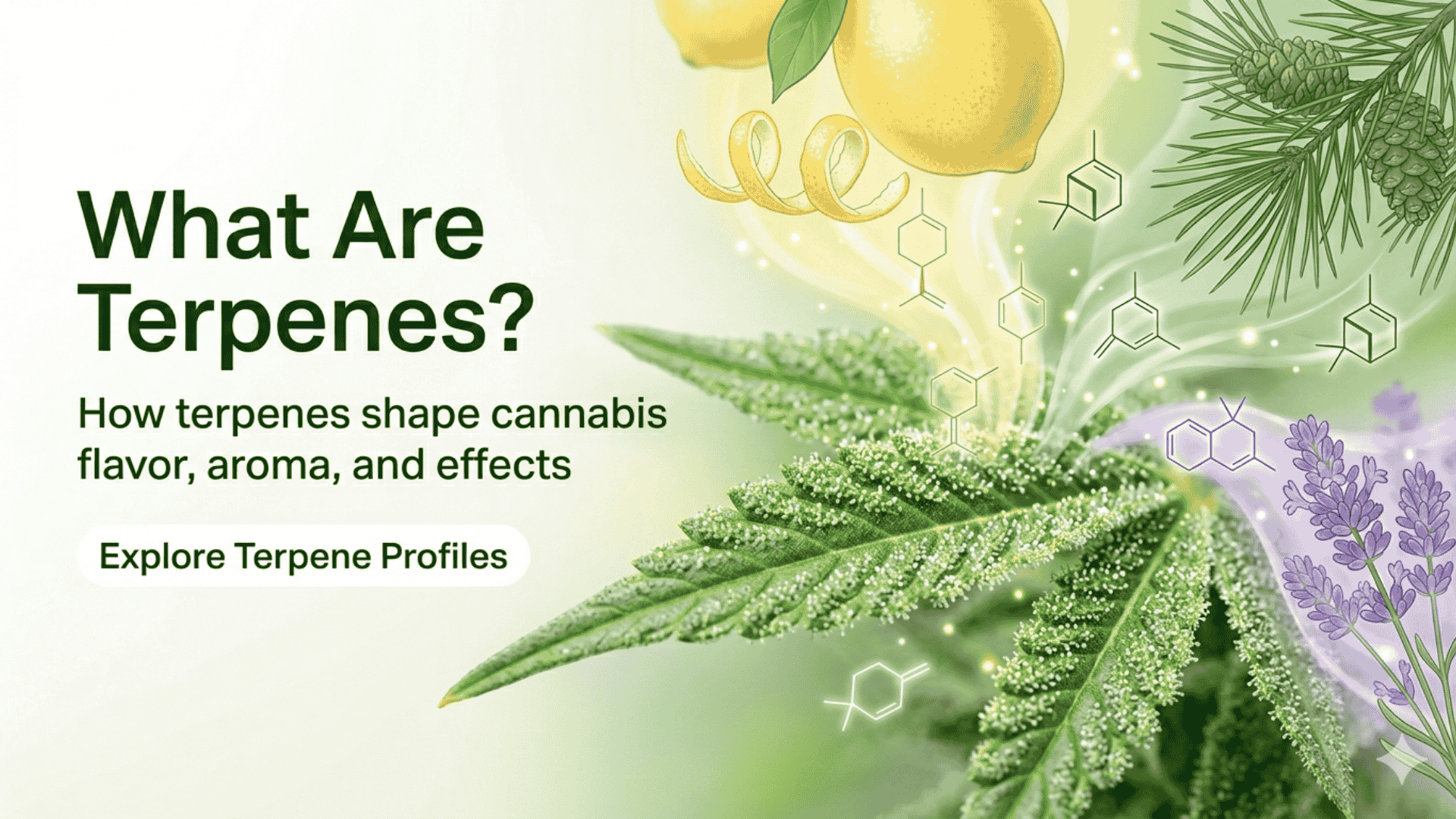
What Are Terpenes? How They Shape Cannabis Flavor, Aroma, and Effects
When people think about cannabis, they often focus on THC and CBD. However, there’s another important component that plays a major role in your experience: terpenes.
Terpenes are responsible for the unique smells and flavors of cannabis—from citrusy and fruity to earthy and herbal. But beyond aroma, terpenes may also influence how cannabis makes you feel.
At licensed retailers like Chronic Cannabis Co., many products include terpene information, helping consumers better understand and choose products that match their preferences.
What Are Terpenes?
Terpenes are natural aromatic compounds found in many plants, including cannabis. They are also present in fruits, herbs, and flowers.
For example:
- Citrus fruits contain limonene
- Lavender contains linalool
- Pine trees contain pinene
In cannabis, terpenes are produced in the same glands that create cannabinoids like THC and CBD.
Why Terpenes Matter in Cannabis
Terpenes do more than just provide scent and flavor—they may also influence the overall cannabis experience.
This is often referred to as the “entourage effect,” where cannabinoids and terpenes work together to shape how a product affects you.
Terpenes May Influence:
- Mood (uplifting or calming)
- Relaxation levels
- Focus and alertness
- Overall sensory experience
While research is ongoing, many consumers report noticeable differences based on terpene profiles.
Common Cannabis Terpenes and Their Effects
Understanding common terpenes can help you make more informed choices.
Limonene
- Aroma: Citrus, lemon
- Common Effects: Uplifting, mood-enhancing
- Found in many Sativa-leaning strains
Myrcene
- Aroma: Earthy, musky
- Common Effects: Relaxing, calming
- Often associated with Indica strains
Pinene
- Aroma: Pine, fresh forest
- Common Effects: Alertness, focus
- May help counteract some THC effects
Linalool
- Aroma: Floral, lavender
- Common Effects: Calming, soothing
- Common in relaxing products
Caryophyllene
- Aroma: Spicy, peppery
- Common Effects: Grounding, balanced
- Unique for interacting with cannabinoid receptors
Terpenes vs THC and CBD
While THC and CBD determine the strength and primary effects, terpenes help shape the quality of the experience.
For example:
- Two products with the same THC level may feel different
- A citrusy terpene profile may feel more energizing
- An earthy profile may feel more relaxing
This is why terpene information is becoming increasingly important for consumers.
How to Choose Cannabis Based on Terpenes
Instead of relying only on Indica or Sativa labels, many consumers now look at terpene profiles.
Tips for Choosing:
For relaxation:
Look for myrcene or linaloolFor energy and mood:
Look for limonene or pineneFor balance:
Look for hybrid terpene combinations
Reading Terpene Information on Labels
Not all cannabis products list terpene details, but many premium products do.
When available, labels may include:
- Dominant terpenes
- Terpene percentages
- Flavor descriptions
Learning to read this information can help you predict how a product might taste and feel.
The Future of Cannabis Education
As cannabis knowledge continues to evolve, terpenes are becoming a key focus in consumer education.
Understanding terpenes allows you to:
- Go beyond basic strain labels
- Customize your experience
- Make more informed purchasing decisions
Retailers and brands are increasingly highlighting terpene profiles to help consumers navigate their options.
Conclusion
Terpenes play a vital role in shaping the cannabis experience. From flavor and aroma to potential effects, these natural compounds add depth and complexity to every product.
By learning about terpenes and how they interact with cannabinoids, you can move beyond simple labels and make more personalized, informed choices.
Whether you’re new to cannabis or looking to refine your preferences, understanding terpenes is a valuable step toward a better experience.
-
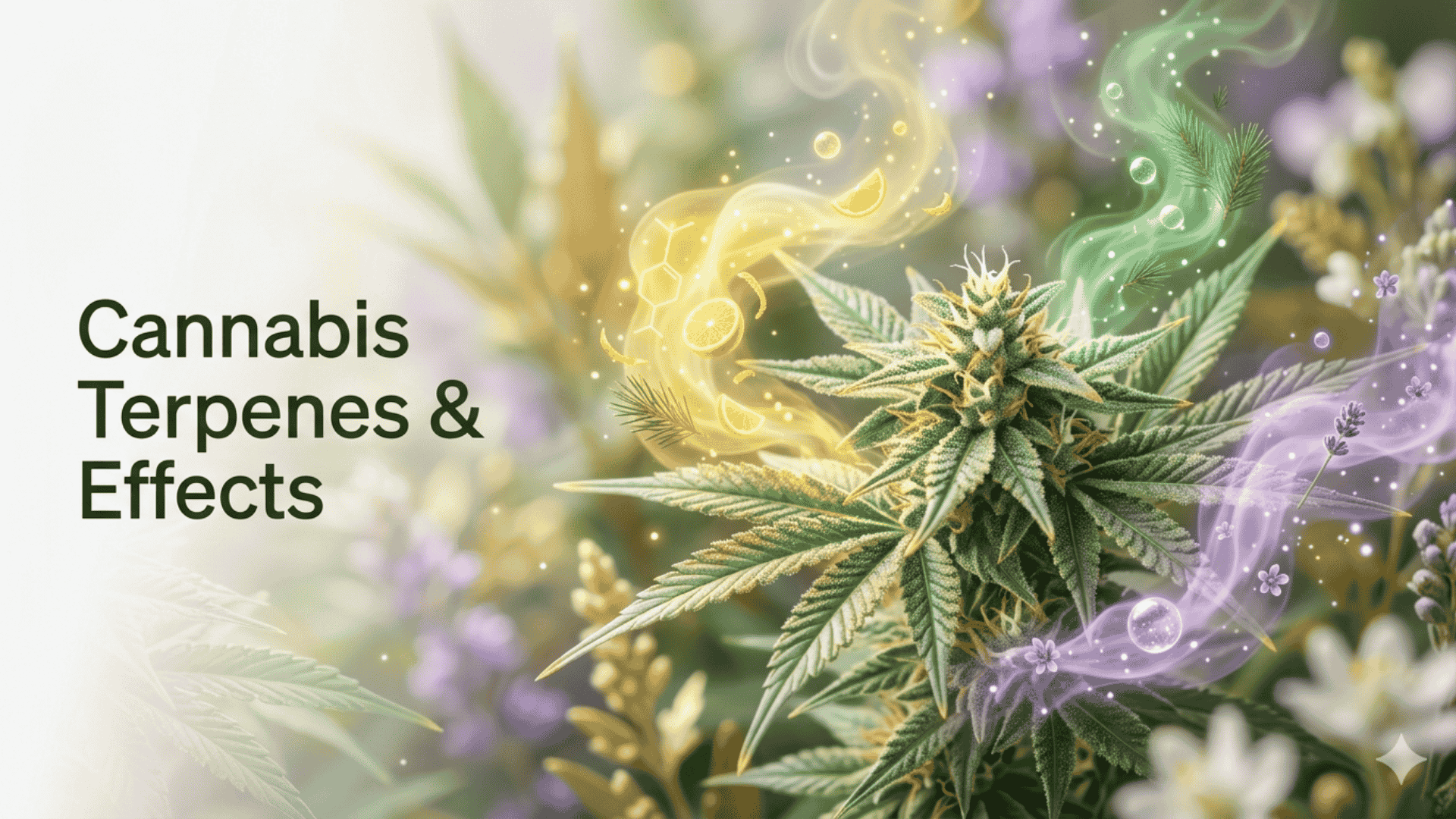
Understanding Cannabis Terpenes: How Aroma Shapes Your Experience
What Are Cannabis Terpenes?
When people think about cannabis, they usually focus on THC or CBD levels. But there’s another key component that plays a huge role in your experience: terpenes.
Cannabis terpenes are natural aromatic compounds found in the plant. They are responsible for the distinctive smells and flavors—ranging from citrus and pine to earthy and sweet. But terpenes do more than just smell good—they also influence how cannabis affects your body and mind.
Why Terpenes Matter
Terpenes interact with cannabinoids like THC and CBD in what’s often called the “entourage effect.” This means the combination of compounds works together to shape your overall experience.
For example:
- Two strains with the same THC level can feel completely different
- The terpene profile helps determine whether a strain feels relaxing, uplifting, or balanced
Understanding terpenes allows you to go beyond just potency and choose products that match your desired effects.
Common Cannabis Terpenes and Their Effects
Here are some of the most common terpenes you’ll find in cannabis:
Myrcene
- Aroma: Earthy, musky
- Effects: Relaxing, calming
- Often found in indica-dominant strains
Limonene
- Aroma: Citrus
- Effects: Uplifting, mood-enhancing
- Great for daytime use
Pinene
- Aroma: Pine
- Effects: Alertness, focus
- May help counteract memory fog
Linalool
- Aroma: Floral (lavender-like)
- Effects: Stress relief, calming
Caryophyllene
- Aroma: Spicy, peppery
- Effects: May support inflammation response
- Unique for interacting with CB2 receptors
How to Read a Terpene Profile
When shopping at a regulated dispensary, many products now include terpene information on their labels or online descriptions.
Here’s what to look for:
- Top 2–3 dominant terpenes
- Total terpene percentage
- Aroma descriptions that match your preferences
For example:
- Want to relax? Look for myrcene or linalool
- Need energy? Try limonene or pinene
Choosing Cannabis Based on Terpenes
Instead of choosing products based only on THC percentage, consider your goals:
- For relaxation: High myrcene or linalool
- For focus: Pinene-rich strains
- For mood boost: Limonene-dominant products
- For balanced effects: Mixed terpene profiles
This approach leads to a more personalized and enjoyable experience.
Why Terpene Education Matters
As the cannabis industry evolves, consumers are becoming more informed. In regulated markets, transparency around terpene content helps ensure:
- Better product selection
- More predictable effects
- A safer, more enjoyable experience
By learning about terpenes, you move from guessing to making confident, informed decisions.
Conclusion
Cannabis is more than just THC—it’s a complex plant with layers of compounds that shape your experience. Terpenes play a major role in how cannabis smells, tastes, and feels.
Understanding terpene profiles empowers you to choose products that truly match your needs, whether you’re looking to relax, focus, or simply explore new flavors.
-
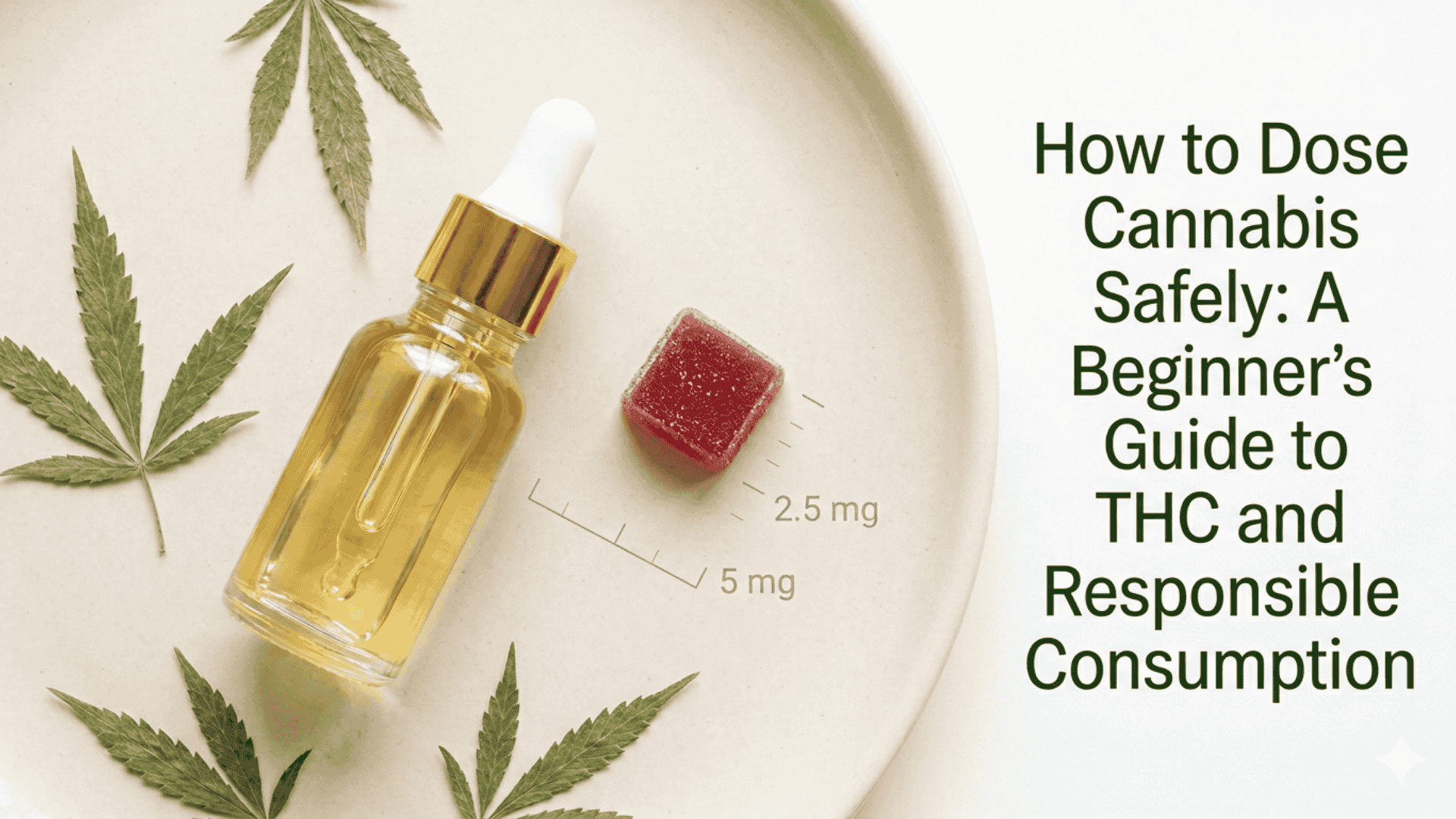
How to Dose Cannabis Safely: A Beginner’s Guide to THC and Responsible Consumption
For new cannabis consumers, one of the most important—and often confusing—topics is dosage. Taking too little may result in no noticeable effects, while taking too much can lead to an uncomfortable experience.
Understanding how to dose cannabis safely helps you stay in control, avoid unwanted effects, and enjoy a more predictable experience. In Canada’s regulated market, products sold at retailers like Chronic Cannabis Co. are clearly labeled with THC and CBD levels, making it easier than ever to make informed decisions.
What Is Cannabis Dosage?
Cannabis dosage refers to the amount of cannabinoids, primarily THC and CBD, that you consume in a single session.
Dosage is typically measured in:
- Milligrams (mg) for edibles, oils, and capsules
- Percentages (%) for dried flower
For example:
- A 5 mg THC edible = a low dose
- A flower with 20% THC = higher potency
Understanding these values is essential for controlling your experience.
Why Safe Dosing Matters
Cannabis affects everyone differently. Factors such as body weight, metabolism, tolerance, and consumption method all play a role.
Taking too much THC may result in:
- Anxiety or discomfort
- Dizziness
- Nausea
- Increased heart rate
While these effects are temporary, they can be unpleasant—especially for beginners.
Safe dosing helps you:
- Stay comfortable and in control
- Avoid negative experiences
- Build confidence with cannabis use
- Find your ideal dosage over time
Recommended Starting Dosage for Beginners
If you’re new to cannabis, the best approach is “start low and go slow.”
THC Dosage Guidelines (Beginner)
- 1–2.5 mg THC → Very mild effects
- 2.5–5 mg THC → Light, manageable effects
- 5–10 mg THC → Moderate effects (for more experienced users)
Beginners should typically start with 2.5 mg THC or less, especially with edibles.
Dosing by Consumption Method
Different ways of consuming cannabis affect how quickly you feel the effects and how long they last.
Smoking or Vaping
- Onset: 1–5 minutes
- Duration: 2–4 hours
- Easier to control dosage gradually
Because effects are felt quickly, users can stop once they reach their desired level.
Edibles
- Onset: 30–90 minutes
- Duration: 4–8 hours (or longer)
- Effects are stronger and longer-lasting
With edibles, it’s important to wait at least 2 hours before taking more. Many overconsumption cases happen because users take an additional dose too soon.
Oils and Tinctures
- Onset: 15–45 minutes
- Duration: 4–6 hours
- Allows more precise dosing
These products often include droppers, making it easier to measure exact amounts.
Tips to Avoid Overconsumption
Overconsumption is one of the most common issues for new cannabis users. Fortunately, it’s also easy to avoid with the right approach.
1. Start Low
Always begin with a small dose, especially if you’re unsure how your body will react.
2. Be Patient
Give your body enough time to process the cannabis before taking more—especially with edibles.
3. Read the Label Carefully
Check:
- THC per serving
- Total THC in the package
- Recommended serving size
4. Choose a Comfortable Environment
Using cannabis in a relaxed, familiar setting can help reduce the chance of discomfort.
5. Stay Hydrated and Relaxed
If you feel overwhelmed, staying calm, drinking water, and resting can help the effects pass more comfortably.
How to Find Your Ideal Dose
Finding the right cannabis dosage is a personal process. There is no one-size-fits-all answer.
To find your ideal dose:
- Start with a low amount
- Gradually increase in small increments
- Track how each dose makes you feel
- Adjust based on your comfort level
Over time, you’ll develop a better understanding of what works best for your body and preferences.
The Role of CBD in Dosing
CBD can influence how THC affects your body.
Products with balanced THC and CBD may:
- Reduce intensity of THC effects
- Provide a smoother experience
- Be more suitable for beginners
If you’re sensitive to THC, consider starting with a product that includes CBD.
Responsible Cannabis Use
Safe dosing is part of responsible cannabis consumption. It helps protect your well-being and ensures a more positive experience.
Key principles include:
- Know your limits
- Avoid mixing with alcohol
- Never drive under the influence
- Store cannabis safely
Education and awareness are essential for building healthy cannabis habits.
Conclusion
Learning how to dose cannabis safely is one of the most important steps for any consumer—especially beginners. By understanding THC levels, starting with low doses, and choosing the right consumption method, you can avoid overconsumption and enjoy a more controlled experience.
With clearly labeled products and access to regulated retailers, consumers today have the tools they need to make informed decisions. Taking the time to understand dosage will help you build confidence and get the most out of your cannabis experience.
-
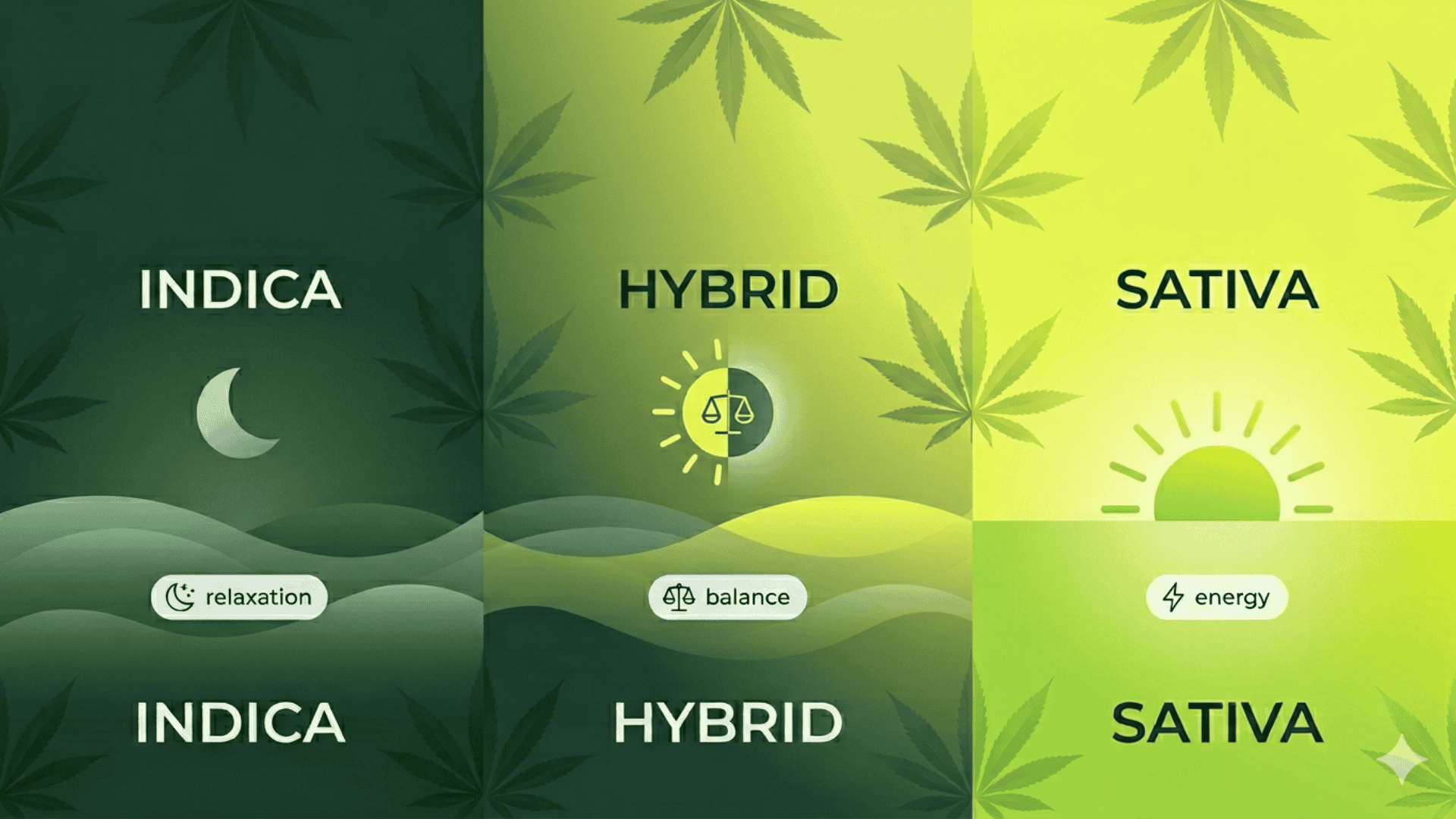
Indica vs Sativa vs Hybrid: Understanding Cannabis Types and Their Effects
If you’ve ever browsed cannabis products, you’ve likely seen the terms Indica, Sativa, and Hybrid. These categories are commonly used to describe different types of cannabis and their expected effects.
But what do these labels actually mean—and how accurate are they?
Understanding the difference between Indica, Sativa, and Hybrid cannabis can help you make more informed choices. Retailers like Chronic Cannabis Co. offer a wide variety of products across these categories, making it easier to find something that fits your preferences and lifestyle.
What Is Indica Cannabis?
Indica strains are often associated with relaxing and calming effects. Traditionally, these strains are linked to cannabis plants that are shorter, bushier, and grown in cooler climates.
Commonly Reported Effects of Indica:
- Physical relaxation
- Calm or mellow feeling
- Potential support for sleep
- Reduced tension
Because of these effects, Indica products are often chosen for evening or nighttime use.
However, it’s important to remember that effects can vary depending on the product and individual response.
What Is Sativa Cannabis?
Sativa strains are typically associated with uplifting and energizing effects. These plants are generally taller and thrive in warmer climates.
Commonly Reported Effects of Sativa:
- Increased energy
- Enhanced focus or creativity
- Uplifted mood
- Daytime-friendly experience
Sativa products are often preferred for daytime use or social situations where consumers want to stay alert and engaged.
What Is Hybrid Cannabis?
Hybrid cannabis refers to products that combine characteristics of both Indica and Sativa strains. Most modern cannabis products fall into this category.
Types of Hybrids:
- Indica-dominant hybrids – more relaxing effects
- Sativa-dominant hybrids – more energizing effects
- Balanced hybrids – a mix of both
Hybrids offer flexibility, allowing consumers to find a balance that suits their specific needs.
Why Indica vs Sativa Isn’t the Full Story
While Indica, Sativa, and Hybrid labels are helpful, they don’t always fully predict how a product will affect you.
Today, experts believe that other factors play a more important role, including:
Cannabinoid Content
The levels of THC and CBD significantly influence the experience. For example:
- High THC = stronger psychoactive effects
- Higher CBD = more balanced or calming effects
Terpenes
Terpenes are aromatic compounds that contribute to flavor and may influence effects.
Examples include:
- Limonene (citrus, uplifting)
- Myrcene (earthy, relaxing)
- Pinene (fresh, alertness)
Individual Differences
Each person’s body chemistry, tolerance, and experience level affect how cannabis feels.
Because of these variables, two products labeled “Indica” may produce different effects.
How to Choose the Right Cannabis Type
Instead of relying only on Indica or Sativa labels, consider a more complete approach when choosing cannabis.
1. Start With Your Goal
Ask yourself what you’re looking for:
- Relaxation → consider Indica or Indica-dominant hybrid
- Energy or focus → consider Sativa or Sativa-dominant hybrid
- Balanced experience → consider Hybrid
2. Check THC and CBD Levels
Potency matters just as much as strain type.
- Beginners may prefer lower THC
- Balanced THC/CBD products offer a milder experience
3. Consider Consumption Method
Different product types can affect how cannabis feels:
- Smoking or vaping → faster onset
- Edibles → slower onset but longer-lasting effects
4. Start Low and Go Slow
Especially for new users, starting with a low dose and gradually increasing is the safest approach.
Common Misconceptions
“Indica always makes you sleepy”
Not always. While many Indica strains are relaxing, effects depend on cannabinoids and terpenes.
“Sativa always gives energy”
Some Sativa products may feel uplifting, but this is not guaranteed for everyone.
“Hybrid means weaker”
Hybrids can be just as strong—or stronger—than pure Indica or Sativa products.
Understanding these misconceptions helps set more realistic expectations.
The Importance of Cannabis Education
As the cannabis industry evolves, education becomes increasingly important. Understanding product types, potency, and effects allows consumers to make safer and more confident choices.
Licensed dispensaries provide access to regulated, clearly labeled products along with knowledgeable staff who can help guide your decisions.
Learning how to interpret cannabis information ensures a better overall experience.
Conclusion
Indica, Sativa, and Hybrid are useful starting points for understanding cannabis, but they are only part of the picture. Factors like THC and CBD levels, terpene profiles, and individual tolerance play a major role in shaping your experience.
By taking a more informed approach, you can choose cannabis products that better match your needs, preferences, and lifestyle.
Whether you’re new to cannabis or exploring new options, understanding these basics is key to a safe and enjoyable experience.
-
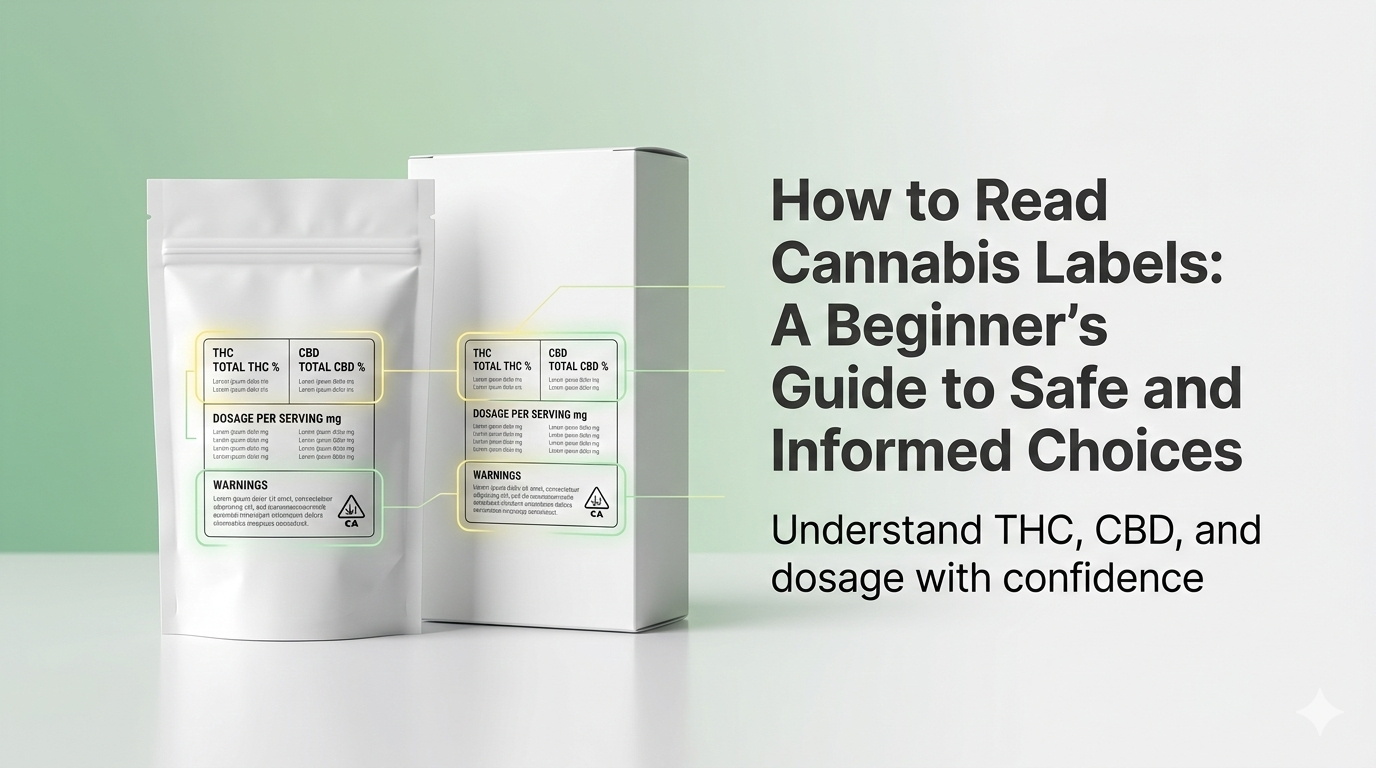
How to Read Cannabis Labels: A Beginner’s Guide to Safe and Informed Choices
If you’re new to cannabis—or even an experienced consumer—reading cannabis labels can feel confusing at first. With percentages, milligrams, symbols, and regulatory information, there’s a lot to take in.
However, understanding cannabis labels is essential for making safe, informed, and confident purchasing decisions. In Canada’s regulated cannabis market, labeling is strictly controlled to ensure transparency, accuracy, and consumer protection.
Retailers like Chronic Cannabis Co. provide access to clearly labeled, tested cannabis products so customers can better understand exactly what they are consuming.
Why Cannabis Labels Matter
Cannabis labels are more than just packaging—they are a critical tool for consumer safety and education.
They help you:
-
Understand product potency
-
Control dosage accurately
-
Avoid unwanted effects
-
Identify ingredients and contents
-
Ensure the product meets legal safety standards
Without proper labeling, it would be difficult to predict how a product might affect you.
Key Information Found on Cannabis Labels
Cannabis labels in Canada are standardized and must include specific details required by law. Understanding each section can help you make better choices.
Product Name and Type
The label will clearly state what type of product you are buying, such as:
-
Dried flower
-
Pre-rolls
-
Edibles
-
Oils or tinctures
-
Concentrates
This helps you understand how the product is consumed and how quickly effects may begin.
THC and CBD Content
One of the most important parts of any cannabis label is the cannabinoid content.
You’ll typically see:
-
THC (%) or mg
-
CBD (%) or mg
For dried flower, these values are shown as percentages. For edibles and extracts, they are listed in milligrams.
For example:
-
20% THC = strong psychoactive effects
-
5 mg THC = low-dose edible
Understanding these numbers is essential for managing your experience safely.
Dosage and Serving Size
For products like edibles, labels will include clear dosage guidance.
This may include:
-
Total THC per package
-
THC per serving
-
Recommended serving size
For example:
-
A chocolate bar may contain 10 mg THC total
-
Each piece may contain 2.5 mg THC
This allows you to control how much you consume and avoid taking too much at once.
Health Warning Messages
All legal cannabis products in Canada must include standardized health warnings.
These warnings may highlight:
-
Risks of overconsumption
-
Impairment effects
-
Warnings about driving
-
Risks for youth or pregnant individuals
These messages are designed to promote responsible use and increase awareness of potential risks.
Cannabis Symbol
In Canada, cannabis products must display an official cannabis symbol. This icon indicates that the product contains THC and is regulated.
This symbol helps consumers quickly identify cannabis products and distinguish them from non-cannabis items.
Ingredients and Additional Information
For edibles and processed products, labels will include:
-
Full ingredient list
-
Allergen information
-
Expiry date
-
Storage instructions
This is especially important for consumers with dietary restrictions or allergies.
How to Use Labels to Choose the Right Product
Understanding cannabis labels helps you select products that match your needs and experience level.
For Beginners
If you’re new to cannabis, look for:
-
Low THC levels (under 10%)
-
Balanced THC/CBD products
-
Low-dose edibles (2.5–5 mg THC)
These options provide a more controlled and manageable experience.
For Experienced Consumers
More experienced users may look for:
-
Higher THC percentages
-
Specific cannabinoid profiles
-
Products with particular terpene characteristics
However, even experienced users benefit from checking labels to ensure consistency and quality.
Common Mistakes to Avoid
Even with clear labels, some consumers make avoidable mistakes.
Ignoring serving sizes
Especially with edibles, consuming too much too quickly can lead to uncomfortable experiences.Focusing only on THC
Higher THC doesn’t always mean a better experience. Balance with CBD and other compounds matters.Not checking total THC
Some products may seem low-dose per serving but contain high total THC per package.Being mindful of these details can significantly improve your cannabis experience.
The Role of Regulation in Labeling
Canada’s cannabis labeling requirements are designed to protect consumers and ensure transparency. Licensed producers must follow strict guidelines for accuracy and clarity.
This means:
-
Products are tested before sale
-
Labels reflect actual cannabinoid content
-
Safety warnings are standardized
-
Consumers receive consistent information
Buying from regulated retailers ensures that the information on the label can be trusted.
Conclusion
Learning how to read cannabis labels is one of the most important steps toward responsible cannabis use. Labels provide essential information about potency, dosage, safety, and product contents.
By understanding what each part of the label means, you can make informed decisions, avoid unwanted effects, and enjoy a safer and more predictable cannabis experience.
Whether you’re new to cannabis or a regular consumer, taking the time to read and understand labels can make all the difference.
-
-
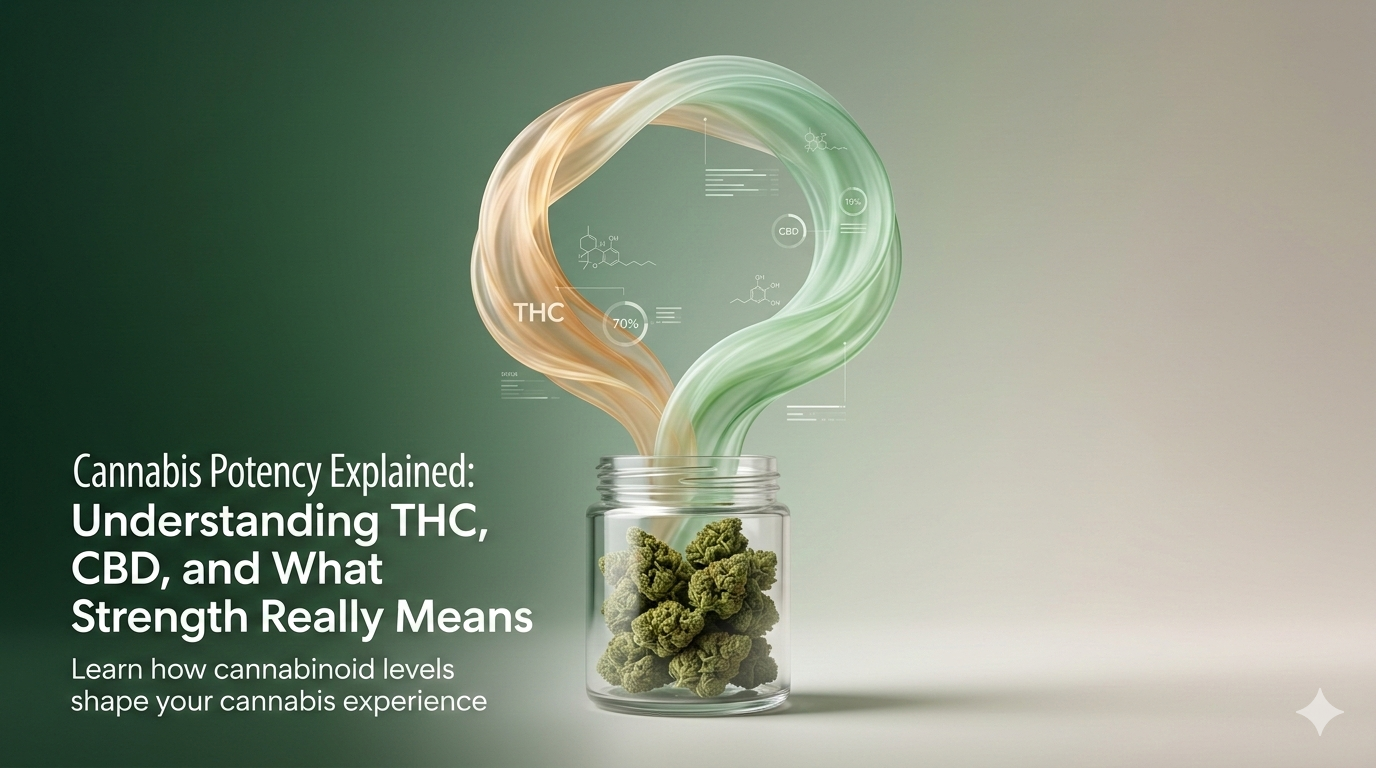
Cannabis Potency Explained: Understanding THC, CBD, and What Strength Really Means
For many cannabis consumers, one of the most important factors when choosing a product is potency. But what does cannabis potency actually mean, and how should consumers interpret THC percentages or CBD levels on product labels?
Understanding cannabis potency helps consumers make safer, more informed decisions about the products they use. In Canada’s regulated cannabis market, licensed producers must clearly label cannabinoid levels so customers know exactly what they are purchasing.
Retailers such as Chronic Cannabis Co. offer a wide range of products with different potency levels, making it easier for both new and experienced consumers to find the right option for their needs.
What Is Cannabis Potency?
Cannabis potency refers to the concentration of cannabinoids within a cannabis product. Cannabinoids are the chemical compounds found in cannabis that interact with the body’s endocannabinoid system.
The two most commonly discussed cannabinoids are:
-
THC (tetrahydrocannabinol) – the compound responsible for the psychoactive “high”
-
CBD (cannabidiol) – a non-intoxicating compound often associated with calming or therapeutic effects
Potency is typically expressed as a percentage for dried flower or as milligrams (mg) for edibles and extracts.
For example:
-
A cannabis flower labeled 20% THC means 20% of the product’s weight is THC.
-
An edible containing 10 mg THC means the entire product contains that amount of THC.
Understanding these numbers helps consumers better predict the intensity of their experience.
THC vs CBD: Why the Difference Matters
Not all cannabis products produce the same effects. The balance between THC and CBD plays a major role in shaping the overall experience.
THC-Dominant Products
Products high in THC are more likely to produce psychoactive effects such as:
-
Euphoria
-
Relaxation
-
Altered perception
-
Increased sensory awareness
These products are typically chosen by consumers seeking stronger effects.
CBD-Dominant Products
CBD products contain little to no intoxicating effects and are often used for:
-
Relaxation
-
Stress management
-
General wellness
-
Balanced cannabis experiences
CBD may also moderate some of THC’s stronger effects when both cannabinoids are present.
How Potency Affects Your Cannabis Experience
Potency directly influences how strong the effects of cannabis will feel. However, potency alone does not determine the entire experience.
Several factors influence how cannabis affects a person:
-
Individual tolerance levels
-
Method of consumption (smoking, vaping, edibles)
-
Body chemistry and metabolism
-
Amount consumed
For example, edibles often feel stronger and last longer than inhaled cannabis, even when potency levels appear similar.
Because of these variables, understanding potency is essential for choosing products responsibly.
Why Accurate Potency Labeling Matters
In regulated cannabis markets like Canada’s, strict rules require producers to test and label cannabinoid levels accurately. These requirements help ensure consumers know exactly what they are consuming.
Clear potency labeling provides several benefits:
Informed purchasing decisions
Consumers can select products that match their experience level.Better dosage control
Accurate THC levels help prevent accidental overconsumption.Consistency between purchases
Consumers can expect similar effects when buying the same product again.This transparency is a key reason many consumers prefer purchasing cannabis through regulated retailers.
Choosing the Right Potency for You
Selecting the right potency level depends on personal preferences and experience with cannabis.
For New Consumers
People new to cannabis often benefit from starting with lower potency products to understand how their body responds.
Examples include:
-
Low THC flower (5–10%)
-
Balanced THC/CBD products
-
Low-dose edibles (2.5–5 mg THC)
Starting low allows consumers to gradually learn what works best for them.
For Experienced Consumers
More experienced users may prefer higher potency options depending on their tolerance and desired effects.
These products may include:
-
Higher THC flower (18–25% or more)
-
Concentrates
-
Higher-dose edibles
However, responsible consumption remains important regardless of experience level.
Beyond THC: Other Factors That Influence Effects
While THC percentage often receives the most attention, other compounds also influence cannabis effects.
These include:
Terpenes
Aromatic compounds that contribute to flavor and may influence mood or relaxation.Minor cannabinoids
Compounds such as CBG or CBN may contribute additional effects.Product type
Different product formats can affect onset time and duration.Because of these variables, potency should be considered alongside other product characteristics.
Cannabis Education Helps Consumers Make Better Choices
Education plays an important role in helping consumers navigate the wide variety of cannabis products available today.
By understanding potency, consumers can:
-
Choose products more confidently
-
Avoid uncomfortable experiences
-
Develop responsible consumption habits
-
Enjoy more consistent results
Knowledge empowers consumers to make safer and more satisfying cannabis decisions.
Conclusion
Cannabis potency is a key factor in understanding how different cannabis products affect the body. By learning how THC and CBD levels influence experiences, consumers can make informed decisions and select products that align with their preferences and tolerance levels.
With clear labeling and regulated testing standards, consumers today have access to more transparent information than ever before. This helps ensure safer, more predictable cannabis experiences for everyone.
As cannabis education continues to expand, understanding potency will remain one of the most important tools for responsible consumption.
-