Your cart is currently empty!
What Are Terpenes? How They Shape Cannabis Flavor, Aroma, and Effects
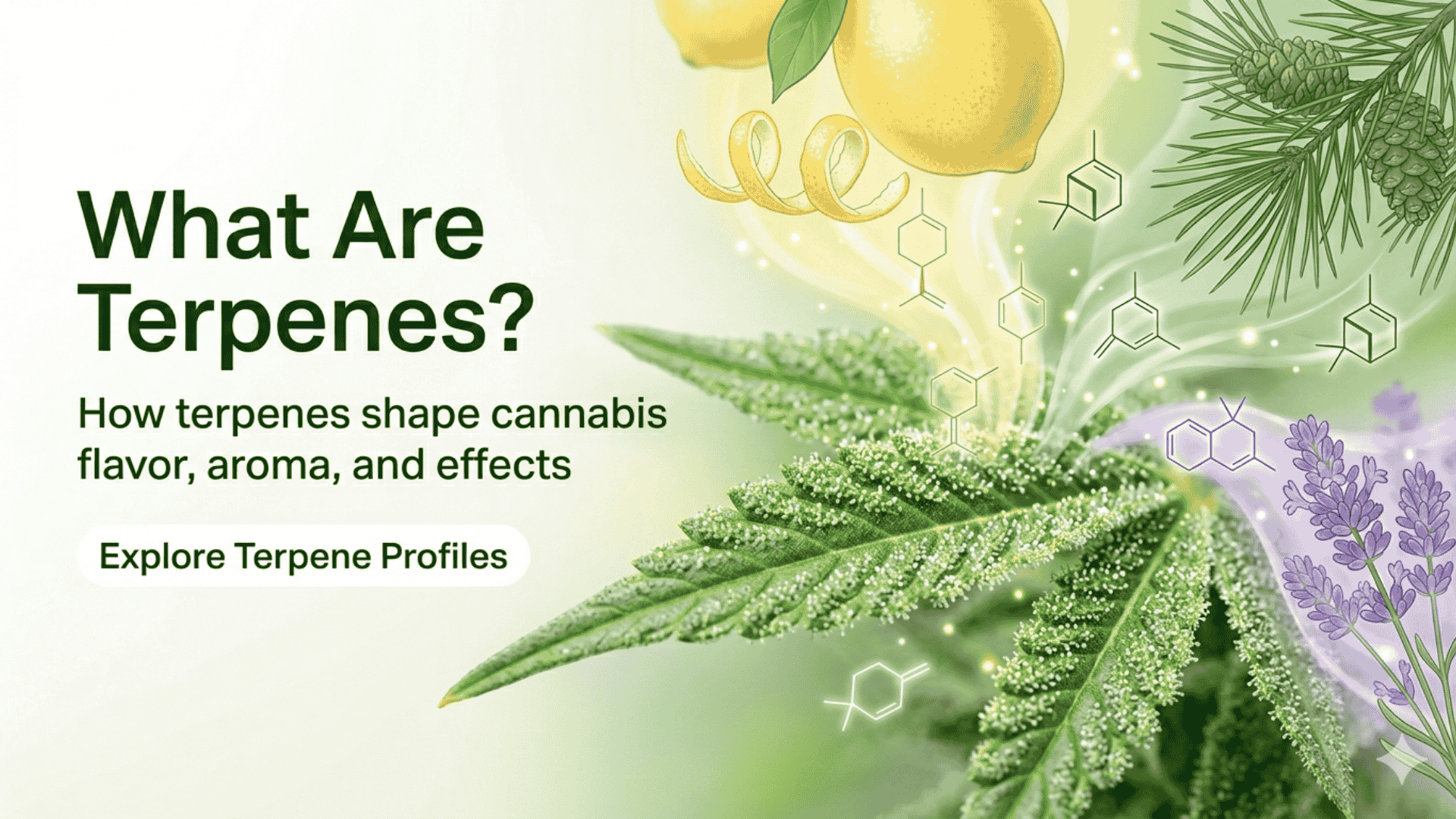
When people think about cannabis, they often focus on THC and CBD. However, there’s another important component that plays a major role in your experience: terpenes.
Terpenes are responsible for the unique smells and flavors of cannabis—from citrusy and fruity to earthy and herbal. But beyond aroma, terpenes may also influence how cannabis makes you feel.
At licensed retailers like Chronic Cannabis Co., many products include terpene information, helping consumers better understand and choose products that match their preferences.
What Are Terpenes?
Terpenes are natural aromatic compounds found in many plants, including cannabis. They are also present in fruits, herbs, and flowers.
For example:
- Citrus fruits contain limonene
- Lavender contains linalool
- Pine trees contain pinene
In cannabis, terpenes are produced in the same glands that create cannabinoids like THC and CBD.
Why Terpenes Matter in Cannabis
Terpenes do more than just provide scent and flavor—they may also influence the overall cannabis experience.
This is often referred to as the “entourage effect,” where cannabinoids and terpenes work together to shape how a product affects you.
Terpenes May Influence:
- Mood (uplifting or calming)
- Relaxation levels
- Focus and alertness
- Overall sensory experience
While research is ongoing, many consumers report noticeable differences based on terpene profiles.
Common Cannabis Terpenes and Their Effects
Understanding common terpenes can help you make more informed choices.
Limonene
- Aroma: Citrus, lemon
- Common Effects: Uplifting, mood-enhancing
- Found in many Sativa-leaning strains
Myrcene
- Aroma: Earthy, musky
- Common Effects: Relaxing, calming
- Often associated with Indica strains
Pinene
- Aroma: Pine, fresh forest
- Common Effects: Alertness, focus
- May help counteract some THC effects
Linalool
- Aroma: Floral, lavender
- Common Effects: Calming, soothing
- Common in relaxing products
Caryophyllene
- Aroma: Spicy, peppery
- Common Effects: Grounding, balanced
- Unique for interacting with cannabinoid receptors
Terpenes vs THC and CBD
While THC and CBD determine the strength and primary effects, terpenes help shape the quality of the experience.
For example:
- Two products with the same THC level may feel different
- A citrusy terpene profile may feel more energizing
- An earthy profile may feel more relaxing
This is why terpene information is becoming increasingly important for consumers.
How to Choose Cannabis Based on Terpenes
Instead of relying only on Indica or Sativa labels, many consumers now look at terpene profiles.
Tips for Choosing:
For relaxation:
Look for myrcene or linalool
For energy and mood:
Look for limonene or pinene
For balance:
Look for hybrid terpene combinations
Reading Terpene Information on Labels
Not all cannabis products list terpene details, but many premium products do.
When available, labels may include:
- Dominant terpenes
- Terpene percentages
- Flavor descriptions
Learning to read this information can help you predict how a product might taste and feel.
The Future of Cannabis Education
As cannabis knowledge continues to evolve, terpenes are becoming a key focus in consumer education.
Understanding terpenes allows you to:
- Go beyond basic strain labels
- Customize your experience
- Make more informed purchasing decisions
Retailers and brands are increasingly highlighting terpene profiles to help consumers navigate their options.
Conclusion
Terpenes play a vital role in shaping the cannabis experience. From flavor and aroma to potential effects, these natural compounds add depth and complexity to every product.
By learning about terpenes and how they interact with cannabinoids, you can move beyond simple labels and make more personalized, informed choices.
Whether you’re new to cannabis or looking to refine your preferences, understanding terpenes is a valuable step toward a better experience.
Leave a Reply