Your cart is currently empty!
Cannabis Potency Explained: Understanding THC, CBD, and What Strength Really Means
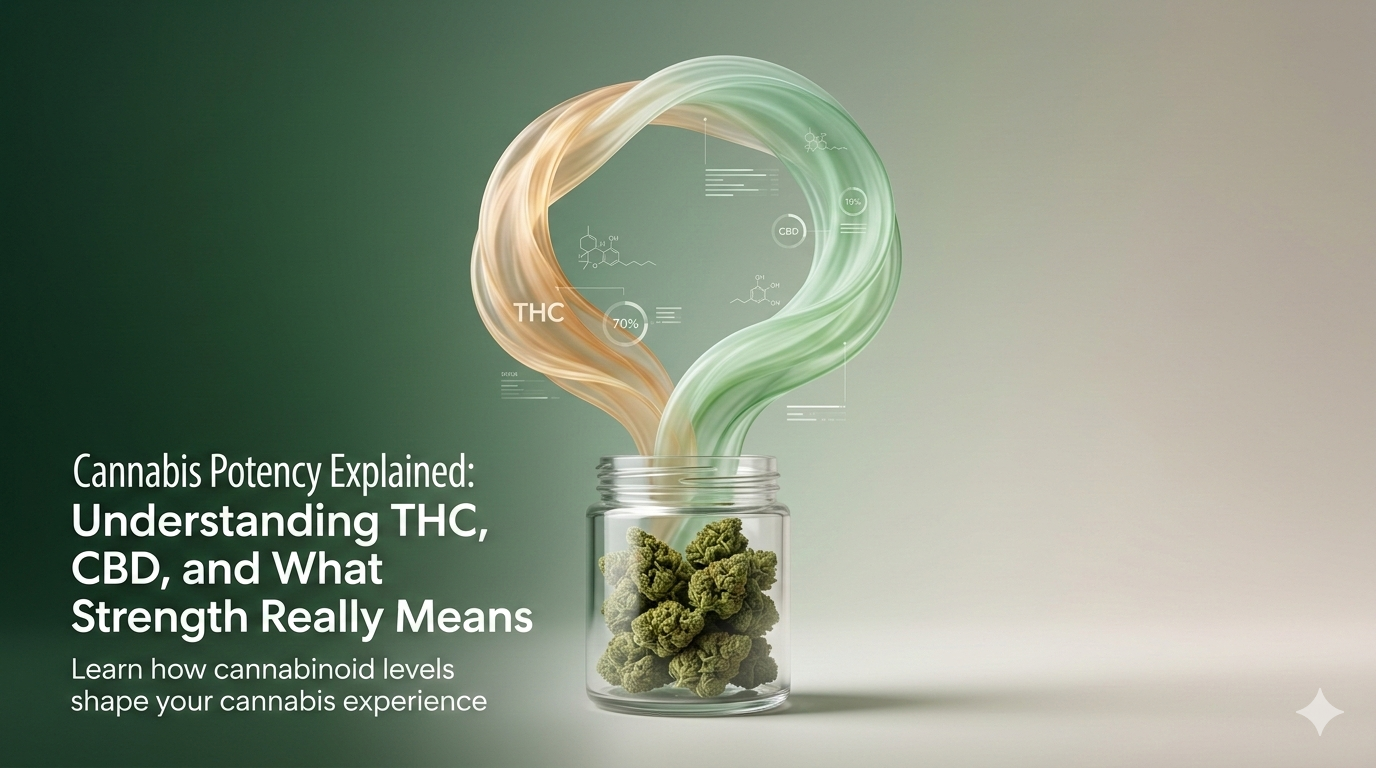
For many cannabis consumers, one of the most important factors when choosing a product is potency. But what does cannabis potency actually mean, and how should consumers interpret THC percentages or CBD levels on product labels?
Understanding cannabis potency helps consumers make safer, more informed decisions about the products they use. In Canada’s regulated cannabis market, licensed producers must clearly label cannabinoid levels so customers know exactly what they are purchasing.
Retailers such as Chronic Cannabis Co. offer a wide range of products with different potency levels, making it easier for both new and experienced consumers to find the right option for their needs.
What Is Cannabis Potency?
Cannabis potency refers to the concentration of cannabinoids within a cannabis product. Cannabinoids are the chemical compounds found in cannabis that interact with the body’s endocannabinoid system.
The two most commonly discussed cannabinoids are:
-
THC (tetrahydrocannabinol) – the compound responsible for the psychoactive “high”
-
CBD (cannabidiol) – a non-intoxicating compound often associated with calming or therapeutic effects
Potency is typically expressed as a percentage for dried flower or as milligrams (mg) for edibles and extracts.
For example:
-
A cannabis flower labeled 20% THC means 20% of the product’s weight is THC.
-
An edible containing 10 mg THC means the entire product contains that amount of THC.
Understanding these numbers helps consumers better predict the intensity of their experience.
THC vs CBD: Why the Difference Matters
Not all cannabis products produce the same effects. The balance between THC and CBD plays a major role in shaping the overall experience.
THC-Dominant Products
Products high in THC are more likely to produce psychoactive effects such as:
-
Euphoria
-
Relaxation
-
Altered perception
-
Increased sensory awareness
These products are typically chosen by consumers seeking stronger effects.
CBD-Dominant Products
CBD products contain little to no intoxicating effects and are often used for:
-
Relaxation
-
Stress management
-
General wellness
-
Balanced cannabis experiences
CBD may also moderate some of THC’s stronger effects when both cannabinoids are present.
How Potency Affects Your Cannabis Experience
Potency directly influences how strong the effects of cannabis will feel. However, potency alone does not determine the entire experience.
Several factors influence how cannabis affects a person:
-
Individual tolerance levels
-
Method of consumption (smoking, vaping, edibles)
-
Body chemistry and metabolism
-
Amount consumed
For example, edibles often feel stronger and last longer than inhaled cannabis, even when potency levels appear similar.
Because of these variables, understanding potency is essential for choosing products responsibly.
Why Accurate Potency Labeling Matters
In regulated cannabis markets like Canada’s, strict rules require producers to test and label cannabinoid levels accurately. These requirements help ensure consumers know exactly what they are consuming.
Clear potency labeling provides several benefits:
Informed purchasing decisions
Consumers can select products that match their experience level.
Better dosage control
Accurate THC levels help prevent accidental overconsumption.
Consistency between purchases
Consumers can expect similar effects when buying the same product again.
This transparency is a key reason many consumers prefer purchasing cannabis through regulated retailers.
Choosing the Right Potency for You
Selecting the right potency level depends on personal preferences and experience with cannabis.
For New Consumers
People new to cannabis often benefit from starting with lower potency products to understand how their body responds.
Examples include:
-
Low THC flower (5–10%)
-
Balanced THC/CBD products
-
Low-dose edibles (2.5–5 mg THC)
Starting low allows consumers to gradually learn what works best for them.
For Experienced Consumers
More experienced users may prefer higher potency options depending on their tolerance and desired effects.
These products may include:
-
Higher THC flower (18–25% or more)
-
Concentrates
-
Higher-dose edibles
However, responsible consumption remains important regardless of experience level.
Beyond THC: Other Factors That Influence Effects
While THC percentage often receives the most attention, other compounds also influence cannabis effects.
These include:
Terpenes
Aromatic compounds that contribute to flavor and may influence mood or relaxation.
Minor cannabinoids
Compounds such as CBG or CBN may contribute additional effects.
Product type
Different product formats can affect onset time and duration.
Because of these variables, potency should be considered alongside other product characteristics.
Cannabis Education Helps Consumers Make Better Choices
Education plays an important role in helping consumers navigate the wide variety of cannabis products available today.
By understanding potency, consumers can:
-
Choose products more confidently
-
Avoid uncomfortable experiences
-
Develop responsible consumption habits
-
Enjoy more consistent results
Knowledge empowers consumers to make safer and more satisfying cannabis decisions.
Conclusion
Cannabis potency is a key factor in understanding how different cannabis products affect the body. By learning how THC and CBD levels influence experiences, consumers can make informed decisions and select products that align with their preferences and tolerance levels.
With clear labeling and regulated testing standards, consumers today have access to more transparent information than ever before. This helps ensure safer, more predictable cannabis experiences for everyone.
As cannabis education continues to expand, understanding potency will remain one of the most important tools for responsible consumption.
Leave a Reply