Your cart is currently empty!
How to Read Cannabis Labels: A Beginner’s Guide to Safe and Informed Choices
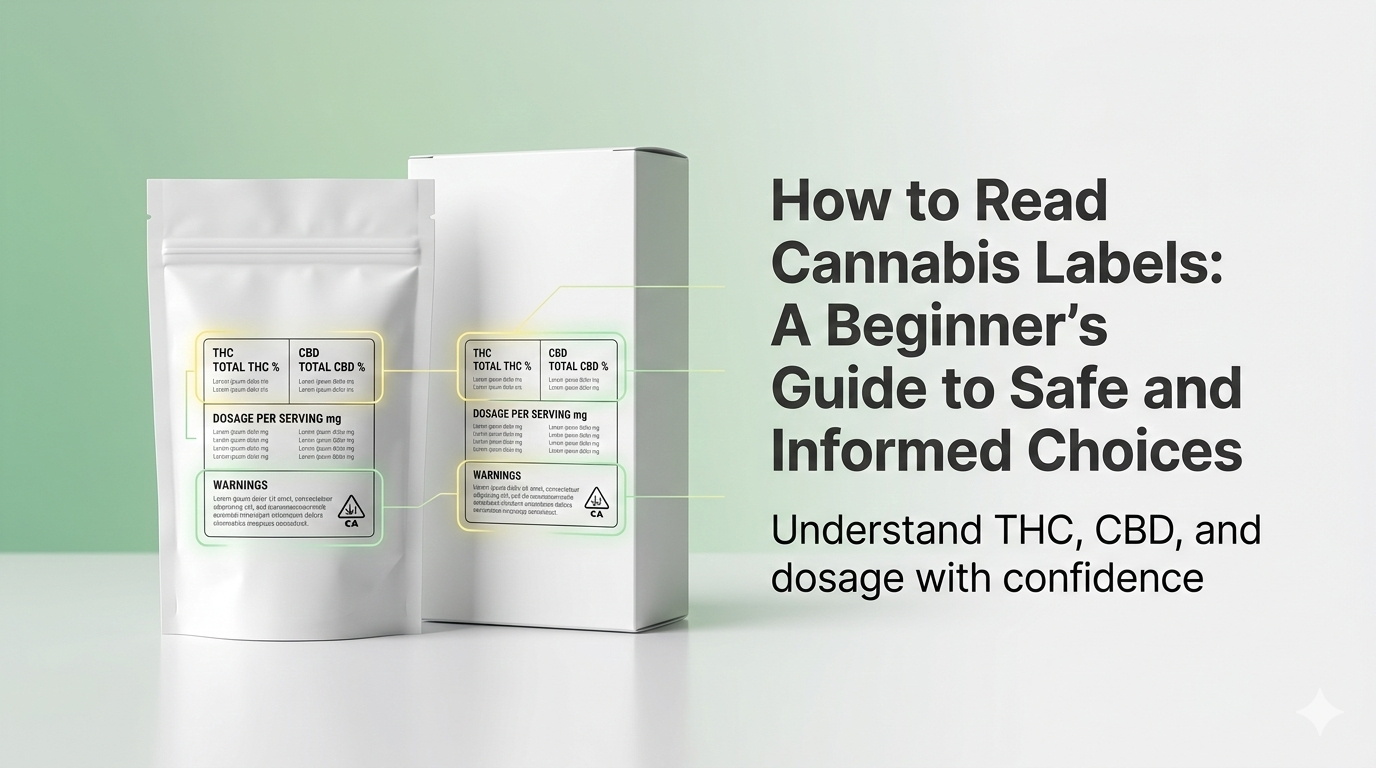
If you’re new to cannabis—or even an experienced consumer—reading cannabis labels can feel confusing at first. With percentages, milligrams, symbols, and regulatory information, there’s a lot to take in.
However, understanding cannabis labels is essential for making safe, informed, and confident purchasing decisions. In Canada’s regulated cannabis market, labeling is strictly controlled to ensure transparency, accuracy, and consumer protection.
Retailers like Chronic Cannabis Co. provide access to clearly labeled, tested cannabis products so customers can better understand exactly what they are consuming.
Why Cannabis Labels Matter
Cannabis labels are more than just packaging—they are a critical tool for consumer safety and education.
They help you:
-
Understand product potency
-
Control dosage accurately
-
Avoid unwanted effects
-
Identify ingredients and contents
-
Ensure the product meets legal safety standards
Without proper labeling, it would be difficult to predict how a product might affect you.
Key Information Found on Cannabis Labels
Cannabis labels in Canada are standardized and must include specific details required by law. Understanding each section can help you make better choices.
Product Name and Type
The label will clearly state what type of product you are buying, such as:
-
Dried flower
-
Pre-rolls
-
Edibles
-
Oils or tinctures
-
Concentrates
This helps you understand how the product is consumed and how quickly effects may begin.
THC and CBD Content
One of the most important parts of any cannabis label is the cannabinoid content.
You’ll typically see:
-
THC (%) or mg
-
CBD (%) or mg
For dried flower, these values are shown as percentages. For edibles and extracts, they are listed in milligrams.
For example:
-
20% THC = strong psychoactive effects
-
5 mg THC = low-dose edible
Understanding these numbers is essential for managing your experience safely.
Dosage and Serving Size
For products like edibles, labels will include clear dosage guidance.
This may include:
-
Total THC per package
-
THC per serving
-
Recommended serving size
For example:
-
A chocolate bar may contain 10 mg THC total
-
Each piece may contain 2.5 mg THC
This allows you to control how much you consume and avoid taking too much at once.
Health Warning Messages
All legal cannabis products in Canada must include standardized health warnings.
These warnings may highlight:
-
Risks of overconsumption
-
Impairment effects
-
Warnings about driving
-
Risks for youth or pregnant individuals
These messages are designed to promote responsible use and increase awareness of potential risks.
Cannabis Symbol
In Canada, cannabis products must display an official cannabis symbol. This icon indicates that the product contains THC and is regulated.
This symbol helps consumers quickly identify cannabis products and distinguish them from non-cannabis items.
Ingredients and Additional Information
For edibles and processed products, labels will include:
-
Full ingredient list
-
Allergen information
-
Expiry date
-
Storage instructions
This is especially important for consumers with dietary restrictions or allergies.
How to Use Labels to Choose the Right Product
Understanding cannabis labels helps you select products that match your needs and experience level.
For Beginners
If you’re new to cannabis, look for:
-
Low THC levels (under 10%)
-
Balanced THC/CBD products
-
Low-dose edibles (2.5–5 mg THC)
These options provide a more controlled and manageable experience.
For Experienced Consumers
More experienced users may look for:
-
Higher THC percentages
-
Specific cannabinoid profiles
-
Products with particular terpene characteristics
However, even experienced users benefit from checking labels to ensure consistency and quality.
Common Mistakes to Avoid
Even with clear labels, some consumers make avoidable mistakes.
Ignoring serving sizes
Especially with edibles, consuming too much too quickly can lead to uncomfortable experiences.
Focusing only on THC
Higher THC doesn’t always mean a better experience. Balance with CBD and other compounds matters.
Not checking total THC
Some products may seem low-dose per serving but contain high total THC per package.
Being mindful of these details can significantly improve your cannabis experience.
The Role of Regulation in Labeling
Canada’s cannabis labeling requirements are designed to protect consumers and ensure transparency. Licensed producers must follow strict guidelines for accuracy and clarity.
This means:
-
Products are tested before sale
-
Labels reflect actual cannabinoid content
-
Safety warnings are standardized
-
Consumers receive consistent information
Buying from regulated retailers ensures that the information on the label can be trusted.
Conclusion
Learning how to read cannabis labels is one of the most important steps toward responsible cannabis use. Labels provide essential information about potency, dosage, safety, and product contents.
By understanding what each part of the label means, you can make informed decisions, avoid unwanted effects, and enjoy a safer and more predictable cannabis experience.
Whether you’re new to cannabis or a regular consumer, taking the time to read and understand labels can make all the difference.
Leave a Reply