Your cart is currently empty!
Author: Arthur Pham
-
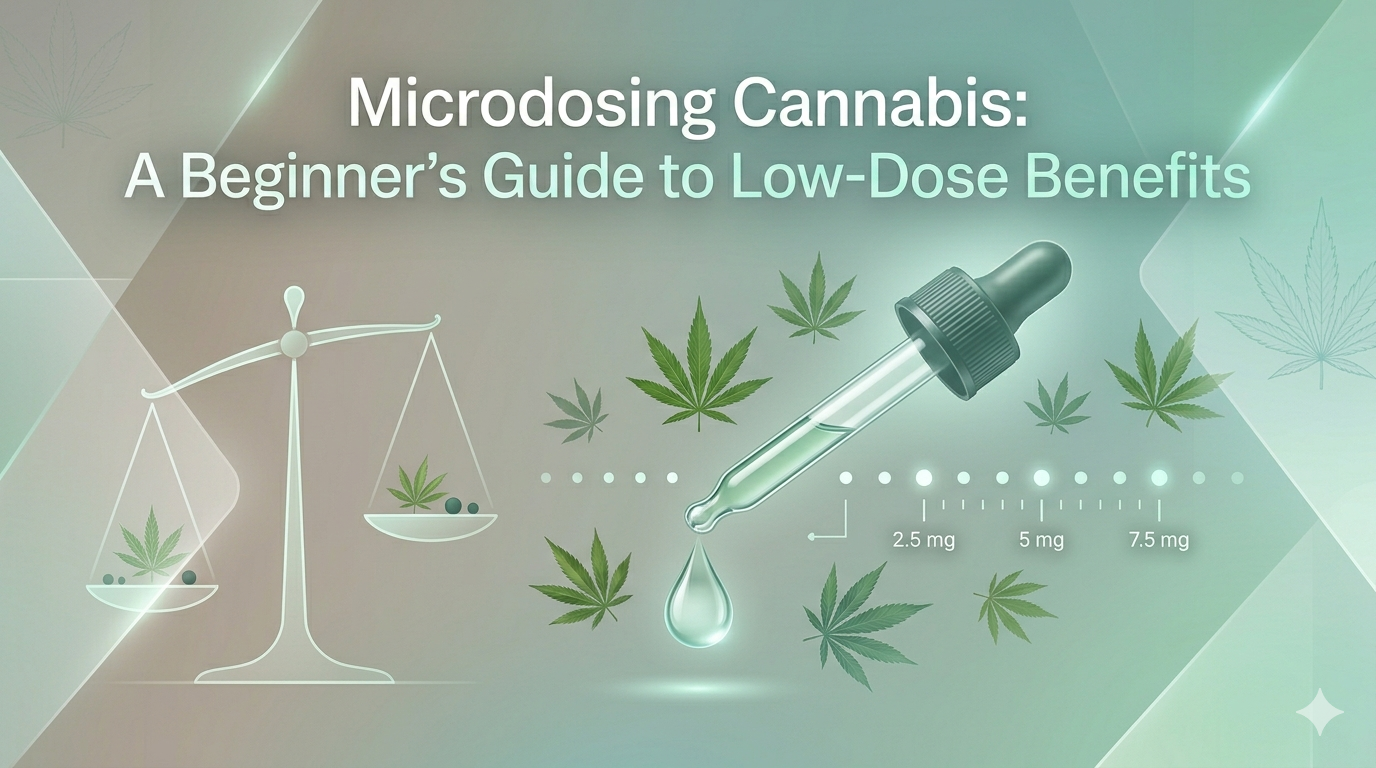
Microdosing Cannabis: A Beginner’s Guide to Low-Dose Benefits
Not everyone wants an intense cannabis experience. For many people, the goal is subtle effects—like relaxation, focus, or mood balance—without feeling overwhelmed. That’s where microdosing cannabis comes in.
Microdosing is the practice of consuming very small amounts of cannabis, typically just enough to feel mild effects without a strong high. It has become increasingly popular among beginners and experienced users alike who want more control over their experience.
At retailers like Chronic Cannabis Co., many products are designed with low-dose options, making microdosing more accessible than ever.
What Is Microdosing Cannabis?
Microdosing involves taking a minimal dose of THC (or THC + CBD) to achieve subtle effects rather than a full psychoactive experience.
Typical Microdose Range:
- THC: 1–2.5 mg
- CBD: Varies depending on preference
The goal is not to feel “high,” but to experience light benefits such as calmness or improved focus.
Why People Choose Microdosing
Microdosing offers a different approach to cannabis—one focused on balance rather than intensity.
Common Benefits:
- Mild relaxation without sedation
- Improved focus or clarity
- Reduced stress or tension
- Better control over effects
- Lower risk of overconsumption
Because the dose is so low, users can often continue daily activities without impairment.
Who Is Microdosing For?
Microdosing can be useful for a wide range of consumers:
Beginners
New users who want to ease into cannabis without strong effects.
Professionals
People who want subtle effects while staying productive.
Experienced Users
Those looking for more control or a lighter experience.
Best Cannabis Products for Microdosing
Not all cannabis products are ideal for microdosing. The best options are those that allow precise and consistent dosing.
Edibles
- Pre-measured doses (e.g., 2.5 mg THC per piece)
- Easy to control intake
Oils and Tinctures
- Droppers allow exact measurement
- Flexible dosing
Low-THC Flower
- Can be used in small amounts
- Offers faster onset
Each method has its own benefits depending on your lifestyle and preferences.
How to Microdose Safely
1. Start Low
Begin with 1–2.5 mg THC or even less if you are very sensitive.
2. Go Slow
Wait and observe how your body reacts before increasing your dose.
- Edibles: wait at least 2 hours
- Inhalation: wait 10–15 minutes
3. Track Your Experience
Keep note of:
- How you feel
- How long effects last
- What dose you took
This helps you find your ideal balance over time.
4. Stay Consistent
Use the same product and dosage for a few sessions before making adjustments.
Microdosing THC vs CBD
THC Microdosing
- Produces mild psychoactive effects
- May enhance mood and creativity
CBD Microdosing
- Non-intoxicating
- Focuses on relaxation and balance
Combined THC + CBD
- Offers a more balanced experience
- CBD may reduce THC intensity
Many beginners prefer starting with CBD or balanced products.
Common Mistakes to Avoid
Taking Too Much Too Soon
Even small increases can change the experience significantly.
Expecting Immediate Results
Microdosing is subtle—it’s about gentle effects, not intensity.
Not Measuring Properly
Accurate dosing is key. Avoid guessing, especially with edibles.
How to Find Your Ideal Microdose
Finding the right dose is personal. What works for one person may not work for another.
Simple Approach:
- Start with 1 mg THC
- Increase by 1 mg gradually
- Stop when you feel the desired effect
The ideal microdose is the smallest amount that gives you the benefit you’re looking for.
Why Microdosing Is Growing in Popularity
As cannabis education improves, more consumers are moving toward intentional and controlled use. Microdosing aligns with this trend by offering:
- Greater control
- More functional use
- Reduced risk
It reflects a shift from recreational intensity to mindful consumption.
Conclusion
Microdosing cannabis is a smart and accessible way to explore its benefits without overwhelming effects. By using small, controlled doses, you can enjoy subtle improvements in mood, focus, and relaxation while staying in control.
Whether you’re new to cannabis or simply looking for a more balanced approach, microdosing offers a safe and flexible way to personalize your experience.
-
How Long Does Cannabis Stay in Your System? A Complete Guide
One of the most common questions among cannabis consumers is: how long does cannabis stay in your system? The answer isn’t always straightforward. It depends on several factors, including how often you use cannabis, your metabolism, and the type of product you consume.
Understanding how THC (the main psychoactive compound in cannabis) is processed in the body can help you make informed decisions—especially if you’re concerned about drug testing or timing your usage responsibly.
At regulated retailers like Chronic Cannabis Co., education plays a key role in helping consumers understand not just products, but how cannabis interacts with the body.
How THC Is Processed in the Body
When you consume cannabis, THC enters your bloodstream and is eventually metabolized by the liver. It is then stored in fat cells and slowly released over time.
This is why cannabis can remain detectable in your body long after the effects have worn off.
Unlike alcohol, which leaves the body relatively quickly, THC can linger for days—or even weeks—depending on usage patterns.
How Long Does THC Stay Detectable?
Detection time varies depending on the type of drug test used.
Urine Test (Most Common)
- Occasional users: 1–3 days
- Moderate users: 5–7 days
- Frequent users: 10–15 days
- Heavy users: 30+ days
Blood Test
- Typically detectable for 1–2 days
- May last longer for heavy users
Saliva Test
- Detectable for up to 24–48 hours
- Often used for roadside testing
Hair Test
- Detectable for up to 90 days
- Less common but has a longer detection window
Factors That Affect How Long Cannabis Stays in Your System
There is no one-size-fits-all answer because several factors influence how long THC remains in your body.
1. Frequency of Use
- Occasional users clear THC faster
- Regular users may retain THC for longer periods
2. Body Fat Percentage
THC is stored in fat cells, so individuals with higher body fat may retain it longer.
3. Metabolism
A faster metabolism can help process and eliminate THC more quickly.
4. Dosage and Potency
Higher THC doses take longer to leave the system.
5. Consumption Method
Different methods affect how THC enters and stays in your body.
Does Consumption Method Affect Duration?
Yes, the way you consume cannabis impacts both how long effects last and how long THC stays in your system.
Smoking or Vaping
- Faster onset
- Shorter duration of effects
- THC may clear slightly faster
Edibles
- Slower onset
- Longer-lasting effects
- THC may remain in the system longer due to digestion and metabolism
Common Myths About Clearing THC
There are many myths about how to remove THC from your system quickly—but most are not supported by evidence.
Myth 1: Drinking Water Flushes THC
Hydration is important, but it won’t significantly speed up THC elimination.
Myth 2: Exercise Removes THC Instantly
While exercise affects metabolism, it does not immediately clear THC from fat cells.
Myth 3: Detox Products Work Quickly
Many detox products have limited scientific support and may not be reliable.
How to Support Your Body Naturally
While you can’t instantly remove THC, you can support your body’s natural processes:
- Stay hydrated
- Maintain a balanced diet
- Exercise regularly
- Get adequate rest
These habits support overall health but do not guarantee faster THC removal.
Why This Knowledge Matters
Understanding how long cannabis stays in your system is important for:
- Preparing for drug tests
- Planning responsible consumption
- Avoiding unwanted consequences
- Making informed lifestyle choices
As cannabis use becomes more common, education around these topics helps promote responsible use.
Conclusion
The amount of time cannabis stays in your system varies widely depending on individual factors, usage habits, and testing methods. While effects may wear off within hours, THC can remain detectable for days or even weeks.
There is no instant way to eliminate THC, but understanding how it works in your body can help you make better, more informed decisions.